Saudi Private Sector activity reaches highest level in 8 years
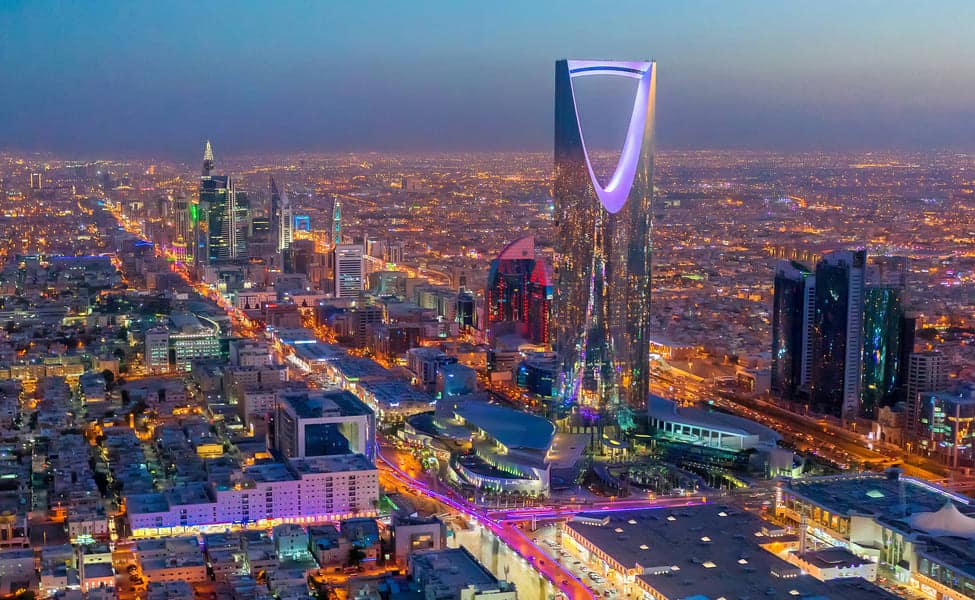
The activity of the non-oil private sector in Saudi Arabia accelerated during the month of February to the highest level in 8 years, in light of the increase in demand associated with the improvement of economic conditions.
Purchasing managers’ index data released on Sunday, by “S&P Global” in cooperation with Riyad Bank indicated that companies in the non-oil private sector in Saudi Arabia recorded a faster improvement in production, employment, and purchases, while the level of optimism about the next 12 months remained strong.
The index rose to 59.8 points in February, compared to 58.2 points in January, indicating the fastest growth in non-oil private sector business since March 2015, as a reading of the index above 50 points indicates the expansion of non-oil sector business.
The strong PMI reading was partly due to the sharp and accelerating increase in new business flows, with more than 42% of the firms surveyed indicating that new orders had increased during the latest survey period, often attributing this to improving market conditions.
Employment expansions
Non-oil companies posted stronger employment expansions in February, with job numbers rising at the second-fastest rate in five years, as many firms ramped up efforts to fill job vacancies in order to meet future demand.
The participating companies also indicated that new projects, increased customer numbers, and some price promotions helped increase sales, and export orders increased at a sharp and rapid pace, as the study showed that total new orders rose to the highest level since September 2014.
A strong run in production
Strong growth in new orders prompted companies to make a strong run in production, rising to the highest level in seven and a half years.
The outlook for activity over the next 12 months was also strong, although down from January’s level; however, still above the average recorded in 2022.
Price inflation and expected growth
Higher purchase costs contributed to a faster increase in overall cost pressures, as costs rose to the highest level since November last year.
This rise was partly driven by an increase in employee wages for the fourth consecutive month.
As a result; Companies raised production prices in an effort to pass the increased expenses on to customers.
Moody’s had raised its expectations for the growth rates of the Kingdom of Saudi Arabia’s economy during the current and next years, supported by the non-oil private sector activity.
According to the World Economic Vision report issued last Wednesday by the agency; Moody’s expects the Kingdom’s economy to grow by 2.5% in 2023, compared to previous expectations of growth of 1.7%. It also raised growth expectations to 3.1% in 2024, compared to 2.6% previously.