Saudi Non-Oil Private Sector Bounces Back in April Despite Hormuz Shipping Disruptions
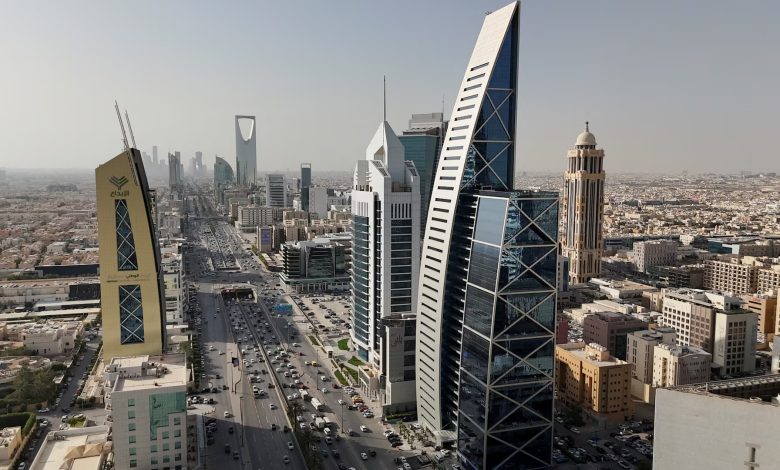
Saudi Arabia’s non-oil private sector returned to expansion in April 2026, with the Riyad Bank Purchasing Managers’ Index (PMI) rising to 51.5, above the neutral 50-point threshold that separates growth from contraction. The result marked a positive shift after geopolitical pressures and Strait of Hormuz shipping disruptions weighed on supply chains and market confidence.
Riyad Bank Chief Economist Naif Alghaith said the outcome confirmed the sector’s resilience, noting that the return to expansion territory demonstrated that “underlying business conditions remained fundamentally strong,” with domestic demand and purchasing power offsetting clear weakness in export orders. Alghaith added that this dynamic highlighted the growing role of the Kingdom’s domestic economy in reducing dependence on external cycles, a central goal of Saudi Vision 2030.
Commercial law adviser and professor Osama bin Ghanem Al-Obaidy echoed that assessment. He stated that the PMI improvement reflected Saudi companies’ ability to navigate the Strait of Hormuz crisis, driven by stronger domestic demand, Vision 2030 projects, and expanding infrastructure investment.
Cost Pressures Reach Record Highs
However, the recovery arrived alongside significant cost challenges. Input prices rose at the fastest pace since the survey launched in August 2009, as raw material costs, shipping fees, and logistics expenses all surged due to regional disruptions. Consequently, companies implemented near-record increases in selling prices to protect margins.
Furthermore, delivery times lengthened noticeably, prompting businesses to build up inventories as a precautionary measure. Alghaith acknowledged that overall expansion remained slow by historical standards, reflecting investor and consumer caution over the regional conflict.
Nevertheless, business confidence improved. Companies expressed optimism about activity over the next 12 months, citing long-term expansion plans and major domestic infrastructure projects. Alghaith concluded that the Kingdom’s stable economic fundamentals positioned it strongly to sustain growth, and that Vision 2030 continued to anchor confidence in Saudi Arabia’s broader economic transformation.