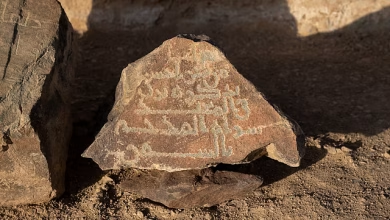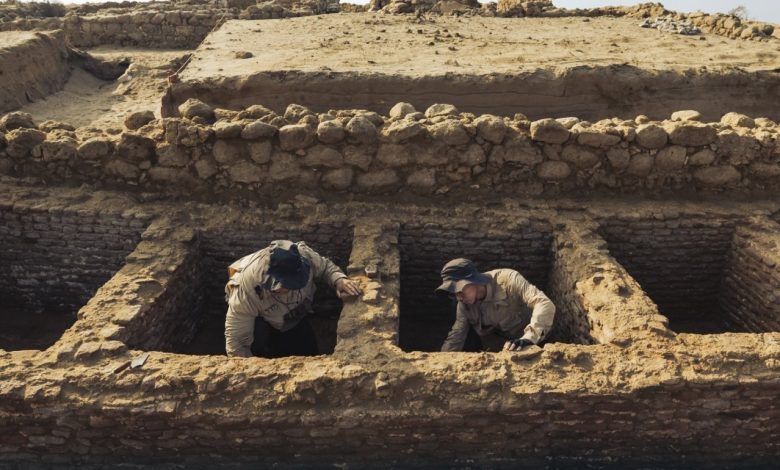
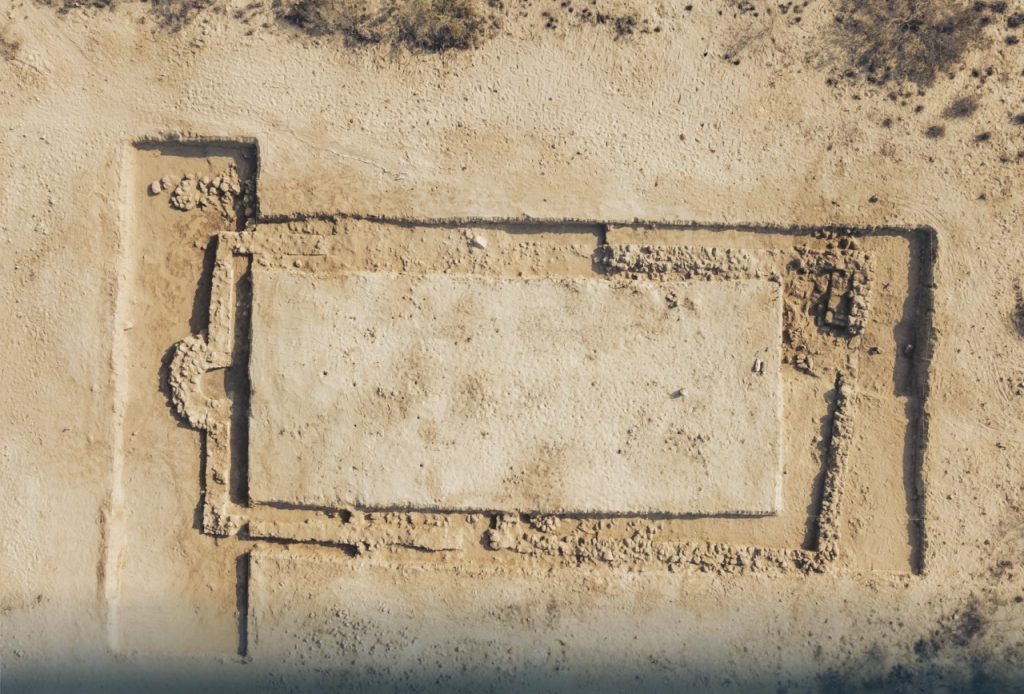
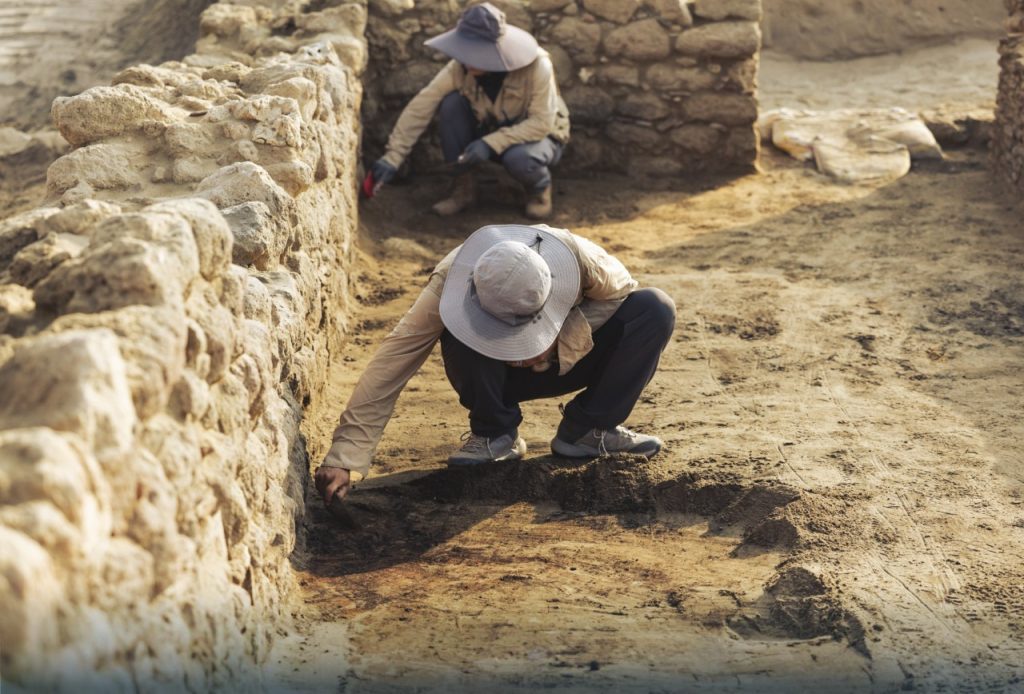
Saudi Arabia’s Heritage Commission announced on Tuesday groundbreaking discoveries at the Al-Serrain archaeological site within the Al-Lith governorate of Makkah. During the fourth season of a joint Saudi-Chinese mission, experts uncovered a historic mosque and a sophisticated marketplace structure. These findings confirm the vital commercial role this coastal hub played during the early Islamic era.
According to the Saudi Press Agency (SPA), archaeologists successfully revealed residential, service, and storage units through a meticulously planned excavation grid across the ancient site’s primary squares.
Furthermore, the team identified a defensive wall protecting the southern, northern, and western perimeters to define the urban boundaries clearly. Workers also found pottery hearths and stone tools that provide intimate glimpses into the daily lives of Al-Serrain’s former residents.
Evidence of Global Trade
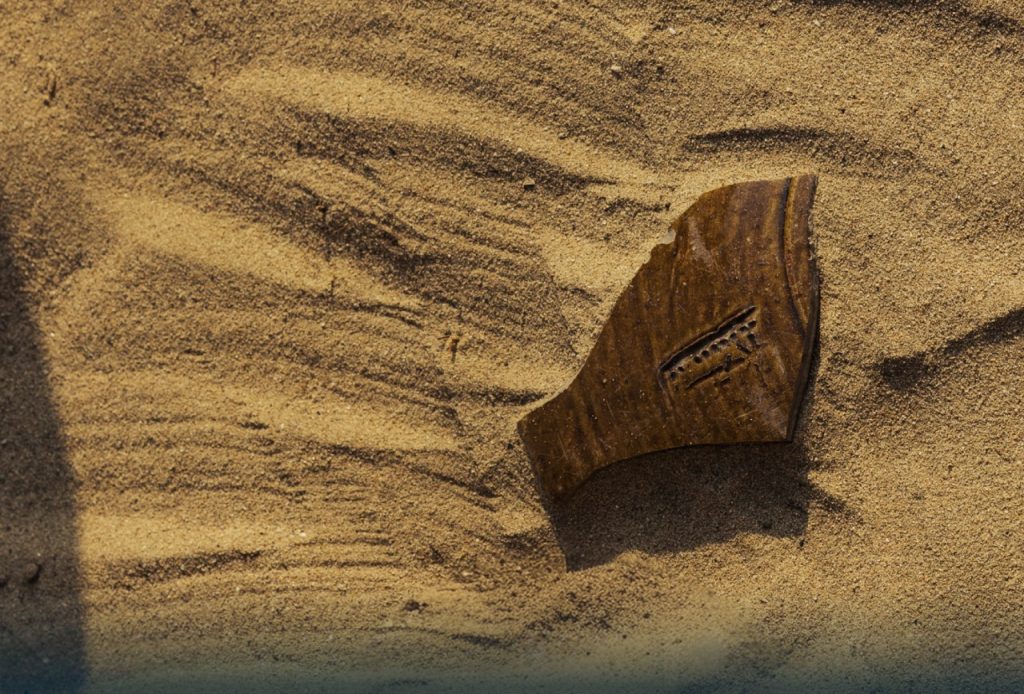
The discovery of a rare Chinese ceramic fragment dating to the Northern Song Dynasty (960–1127) highlights the site’s international reach. This artifact features a decorative stamp with Chinese characters, serving as physical proof of trade between southern China and the Red Sea. Consequently, researchers now view Al-Serrain as a pivotal link between Yemen, East Asia, Africa, and the holy city of Makkah.
Historical data suggests the port reached its cultural peak during the fourth and fifth centuries A.H. as a navigation center. The site flourished because its location at a seasonal valley’s mouth provided a natural environment perfectly suited for human settlement.
Therefore, the Heritage Commission intends to continue these excavations to build a comprehensive scientific understanding of the region’s development. These ongoing efforts will highlight the cultural value of the Kingdom’s historic ports and their contributions to global maritime networks.