Saudi Arabia’s healthcare system is moving from hospital wards into smartphones, and the shift is accelerating fast.
Why it matters: the Ministry of Health is betting on artificial intelligence and virtual care. The push falls under the Health Sector Transformation Program, part of Vision 2030. The goal is prevention first, with specialist medicine reaching every corner of the Kingdom, and beyond.
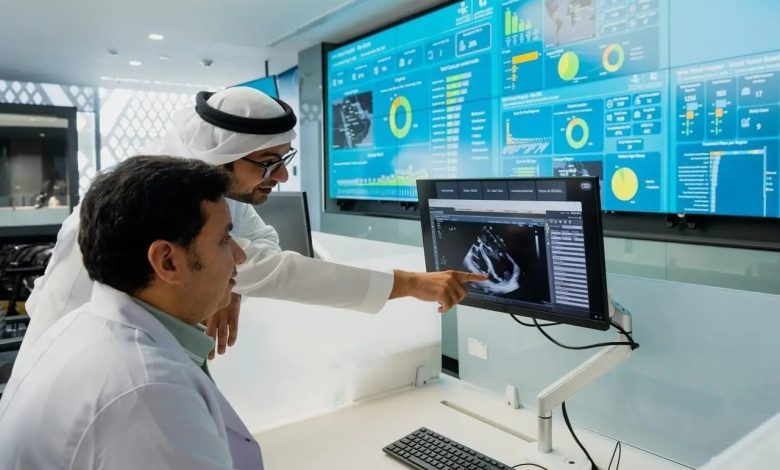
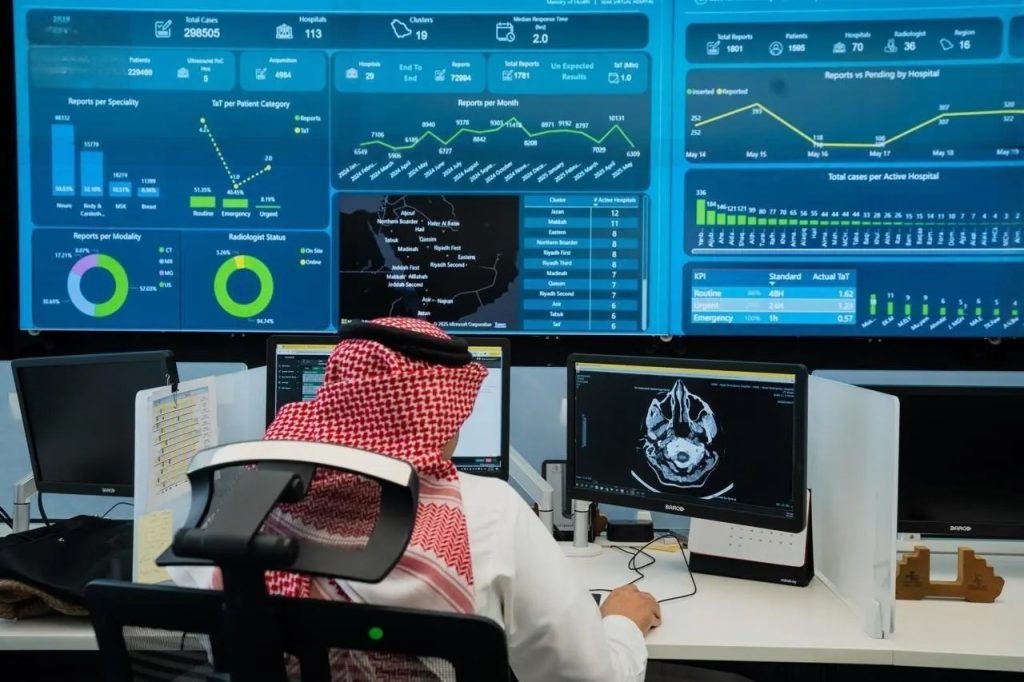
The big picture: Seha Virtual Hospital stands out as a primary pillar of this sweeping national transformation. Officially, Guinness World Records recognized it as the world’s largest virtual healthcare provider. Furthermore, the facility earned the prestigious Canadian Diamond Category accreditation for top-tier virtual clinical standards.
By the numbers:
- 241 hospitals connected nationwide
- 1,400+ health centers linked to the network
- 114 primary and subspecialties covered
- 597,000+ beneficiaries served annually, a capacity that positions the hospital as a global model for digital medicine
As a result, a patient in a remote village can reach the same expertise available in Riyadh, without leaving home.
What they’re saying: The Guinness listing reflects “a testament to the dedication and innovation in healthcare delivery,” said Eng. Abdulaziz Al-Rumaih. He’s the ministry’s vice minister for planning and development. He spoke when the ministry confirmed the record. Meanwhile, Seha’s chief executive, Eng. Mona AlSubaie, points to the hospital’s Diamond-level accreditation as further proof. She calls it simply “the largest virtual hospital in the world.”

AI in Every Pocket
Care doesn’t stop at the hospital door, either. The Sehhaty app, the Kingdom’s flagship digital-health platform, passed 31 million users in 2025. It now handles appointment booking, prescription reviews, medication searches and sick-leave requests. It also runs a digital twin that models each user’s health and flags preventive steps early. A built-in smart assistant reads lab results and sends medication and appointment reminders. Because Sehhaty ties everything to one health record, patients no longer repeat their history at every visit.
Moreover, the complementary Wasfaty platform has processed over 40 million digital prescriptions for citizens and residents. Additionally, health teams have screened 19 million people for stroke risk and 12.8 million for hypertension. Also, preventative screening programs have evaluated 13.8 million people for cardiovascular disease risk.
Zoom in: the technology extends into the field, too. During the 2025 Hajj season, for example, Makkah’s health cluster deployed an AI tool called i-Selfie. It reads vital signs and heart activity from a person’s face, with no contact required. As a result, vital-sign checks dropped from seven minutes to two. Patient assessment sped up by 70%, according to Saudi reporting on the trial. Separately, King Faisal Specialist Hospital carried out a world-first robotic operation in February 2026. Surgeons completed seven cardiac interventions in one procedure, for a patient with multiple congenital defects. That approach avoided a multi-stage surgery that would otherwise have followed.

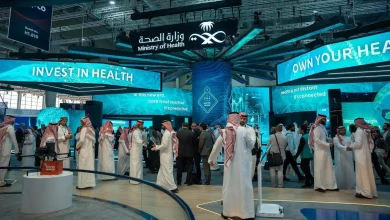
Momentum is building fast. At the 2025 Global Health Exhibition in Riyadh, the ministry signed deals to launch “AI Physician.” The tool is meant to sharpen diagnosis and speed clinical decisions. It also unveiled a Sehhaty-based smart health coach, built with Google Cloud, offering live voice guidance on preventive care.
Global Partnerships Accelerating Health Transformation
Saudi Arabia continues forging high-impact international alliances to expand its healthcare artificial intelligence ecosystem. During the 2025 Global Health Exhibition, ministry officials signed major international agreements to launch the AI Physician experience. These intelligent clinical systems assist medical staff with accurate diagnoses and enhance overall decision-making across hospitals.
In addition, the Ministry of Health launched a smart health coach in strategic collaboration with Google. This tool delivers personalized lifestyle recommendations directly through the Sehhaty app based on individual health indicators. Moreover, strategic investments empower medical workers to deliver high-quality care efficiently.
By the numbers:
- SAR133bn+ in total agreements signed at the exhibition
- SAR31bn earmarked for hospital infrastructure
- SAR12bn+ for venture capital and strategic funds
The bottom line: Saudi Arabia isn’t just digitizing paperwork. It’s rebuilding how more than 30 million people access care, one algorithm at a time. In doing so, it’s positioning itself as a global reference point for virtual medicine.
What’s next: Saudi Arabia will continue expanding its digital health infrastructure to fulfill Vision 2030 objectives. Therefore, the Kingdom actively leads global digital healthcare innovation through continuous technological investment. In summary, smart health ecosystems fundamentally redefine doctor-patient relationships everywhere. Ultimately, this digital evolution sets a world-class benchmark for modern, patient-centered healthcare delivery.