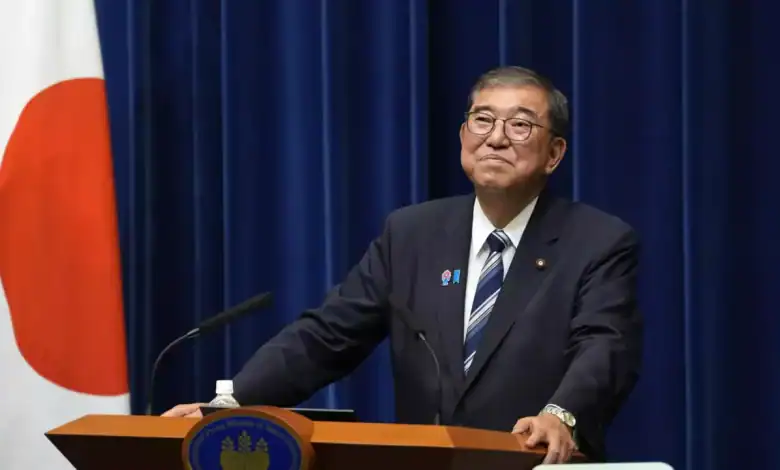
Japan’s Prime Minister Shigeru Ishiba announced his resignation on Sunday, just under a year into his term, following significant losses for the ruling Liberal Democratic Party (LDP) in both houses of parliament. This resignation introduces fresh uncertainty for Japan, the world’s fourth-largest economy, as it grapples with rising food prices and the impact of US tariffs on its vital auto sector.
Timing of the Announcement
During a news conference, Ishiba stated that the LDP should prepare for a leadership election, confirming he would remain in office until then. “Now that negotiations on US tariff measures have reached a conclusion, I believe this is the appropriate moment,” he explained. The 68-year-old leader expressed his desire to make way for the next generation.
Recently, US President Donald Trump signed an order to lower tariffs on Japanese autos from 27.5% to 15%. While this reduction offers some relief, it still poses challenges for Japan’s crucial auto industry. Ishiba’s leadership began in September 2024, making him the tenth prime minister from the LDP since 2000.
Public sentiment reflects skepticism about change. “I’m worried that no matter who the new prime minister will be, nothing will change,” said 25-year-old Yuri Okubo in a Tokyo park. Ishiba faced mounting pressure to resign after the LDP’s poor performance in the July upper chamber elections and the worst results in 15 years during the October 2024 lower house elections.
Reports indicate that Ishiba sought to prevent a party split amid increasing calls for his resignation. On Saturday night, senior party officials, including the farm minister, urged him to step down voluntarily. Four senior LDP officials, including party number two Hiroshi Moriyama, offered their resignations last week.
Future Leadership Prospects
Ishiba’s term as party leader was set to end in September 2027 but he acknowledged his struggles to maintain harmony within the party, stating, “My sincere efforts resulted in losing my particular path.” He confirmed he would not run in the upcoming leadership race. His main rival, hardline nationalist Sanae Takaichi, has indicated her intention to contest for leadership.
A recent Nikkei survey identified Takaichi as the most suitable successor, followed by farm minister Shinjiro Koizumi. However, 52% of respondents felt a leadership contest was unnecessary. Following the July elections, social media users rallied under the hashtag “#Ishiba Don’t quit,” urging him to remain in power.
The LDP has governed Japan almost continuously since 1955, but recent trends show voters shifting towards fringe groups like the populist Sanseito. Rising prices, declining living standards, and corruption scandals have fueled public discontent. Ishiba, a seasoned politician, was elected LDP leader last year on his fifth attempt, promising a “new Japan.” Both China and South Korea welcomed his appointment, hoping for improved diplomatic relations.