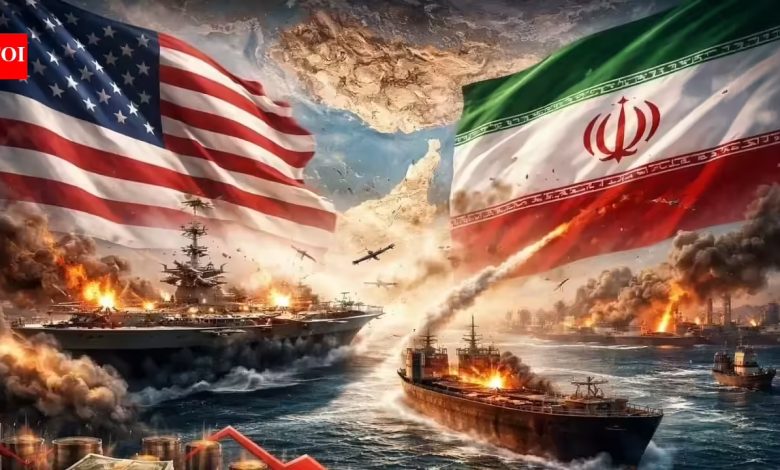
Iran’s chief negotiator Mohammad Bagher Ghalibaf warned on Tuesday that the US must accept Tehran’s latest 14-point peace proposal or face “one failure after another.” This ultimatum follows President Donald Trump’s warning that the current Middle East truce sits on the brink of total collapse.
The conflict, which began two months ago, continues to roil the global economy despite a fragile ceasefire. While neither side seeks an all-out war, both refuse to offer concessions. Ghalibaf emphasized his position on X, stating: “There is no alternative but to accept the rights of the Iranian people. The longer they drag their feet, the more American taxpayers will pay for it.”
Iran’s counter-proposal demands an end to fighting on all fronts, including Lebanon. Furthermore, it seeks to halt the US naval blockade and secure the release of frozen Iranian assets. Conversely, President Trump dismissed the reply as “TOTALLY UNACCEPTABLE,” promising a “complete victory” instead.
Global Economic and Humanitarian Risks
The diplomatic deadlock has triggered a spike in oil prices and worsened the global energy crisis. Currently, Iran restricts traffic in the Strait of Hormuz, a waterway carrying 20% of the world’s oil and gas. Saudi Aramco CEO Amin Nasser noted, “The energy supply shock that began in the first quarter is the largest the world has ever experienced.”
Regional leaders expressed grave concern over the maritime blockade. Qatari Foreign Minister Sheikh Mohammed bin Abdulrahman Al Thani stated, “Iran should not use this strait as a weapon to pressure or to blackmail the Gulf countries.”
Beyond energy, the standoff threatens global food security due to fertilizer shortages. Jorge Moreira da Silva of executive director of the United Nations Office for Project Services (UNOPS), warned that the world has only weeks to avert a “massive humanitarian crisis” potentially forcing 45 million more people into hunger. Consequently, residents in Tehran remain fearful.