Defying the Blockade: Iranian-Linked Vessels Pierce US Naval Barriers in Hormuz
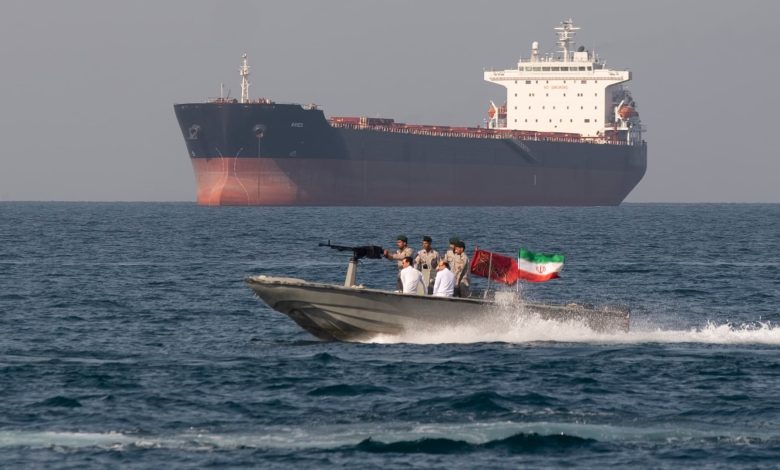
Maritime tracking data revealed Tuesday that multiple Iran-connected ships successfully navigated the strategic Hormuz Strait on Monday, even after Washington’s military blockade officially commenced.
US Central Command activated its comprehensive naval blockade at 1400 GMT Monday, explicitly targeting all vessels entering or departing Iranian ports and coastal areas. Nevertheless, at least four Iran-linked vessels subsequently utilized the crucial international waterway, according to reliable maritime data provider Kpler. The Liberia-flagged bulk carrier Christianna departed Iranian waters after unloading 74,000 tons of corn at Bandar Imam Khomeini port facility.
Meanwhile, the Comoros-flagged tanker Elpis transported approximately 31,000 tons of methanol after departing the Iranian port of Bushehr on 31 March. Additionally, the Chinese-flagged tanker Rich Starry crossed the strait overnight via Iran’s approved vetting route south of Larak Island.
Sanctions Status and Tracking Complications Emerge
Furthermore, maritime analysts consistently warn that vessel transponder signals in this volatile region frequently face deliberate disruption or sophisticated manipulation attempts. Consequently, achieving precise real-time ship tracking remains particularly challenging for analysts during these escalating regional tensions and ongoing military confrontations.
Notably, both the Rich Starry and Elpis currently appear on official US sanctions lists due to their Iranian connections. However, the Christianna currently operates freely throughout the region without facing such restrictive US government sanctions or international trade limitations.
Moreover, the Madagascar-flagged tanker Murlikishan entered the Gulf westward Tuesday morning while heading empty toward Iraq’s strategic Khor al Zubair port facility.
Meanwhile, Chinese foreign ministry spokesman Guo Jiakun publicly condemned Washington’s unilateral blockade action as “dangerous and irresponsible” during Tuesday’s press briefing. Similarly, leading shipping industry publications interpret the Rich Starry’s deliberate passage as a direct test of President Trump’s enforcement resolve.
Ultimately, these defiant transits dramatically highlight the complex geopolitical stakes surrounding one of the world’s most critical global oil chokepoints.