China’s economy expanded faster than analysts expected during the first quarter of 2026, even as the US-Israel war with Iran rattled global markets. Official data reveals that Gross Domestic Product (GDP) rose by 5% compared to the previous year. This performance beat economist predictions of 4.8%, signaling a robust start for Beijing’s new fiscal cycle.
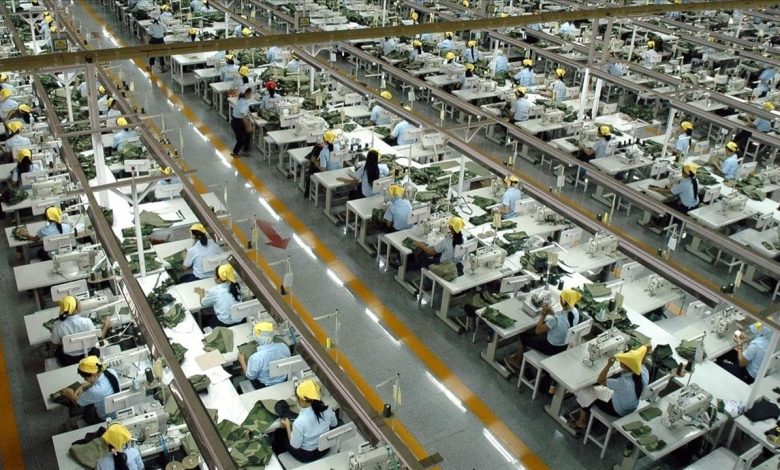
The rebound follows a modest 4.5% expansion in the prior quarter, largely propelled by a surge in high-tech manufacturing. While falling property investment continues to weigh on the world’s second-largest economy, exports provided a necessary lift.
“Cars and other exports were a ‘major bright spot’ in the data,” noted Kyle Chan, an analyst at the Brookings Institution. However, he warned that trade disruptions from the Middle East conflict might weaken next quarter’s results. Consequently, the full impact of the war remains a looming shadow over Beijing’s 4.5%–5% annual growth target.
Energy Shocks and Export Slowdowns
The conflict, which began on 28 February, severely disrupted energy supplies and spiked global inflation. Although China remains less reliant on Gulf oil than Japan or South Korea, rising crude prices have forced domestic airlines to cut flights. Furthermore, March export data showed a sharp slowdown to just 2.5% growth, a six-month low compared to the 20% surge seen in early winter.
Economics lecturer Yixiao Zhou from the Australian National University explained that rising costs for materials like plastics have inflated import values. China’s trade surplus subsequently dropped to $50 billion, its lowest level in over a year. Zhou noted that global consumer hesitation could further dampen demand for Chinese goods. “Export growth ultimately depends on your trading partners’ economies,” she said. “It is hard to sustain that growth at a very high rate continuously.”
Geopolitical Pressures
Beyond the war, Beijing faces renewed trade tensions with Washington. While a 10% tariff currently applies to most goods, US Treasury Secretary Scott Bessent suggested that higher levies might return by July. This uncertainty frames the upcoming May meeting between President Xi Jinping and Donald Trump.
To counter these external pressures, the Communist Party plans to invest heavily in domestic innovation and high-tech industries. Beijing aims to reshape an economy currently struggling with a shrinking population and a prolonged property crisis. Nevertheless, the resilience shown in this quarter provides a crucial buffer as global instability persists.