A Glimpse into Palestine Before Israeli Occupation Refutes Colonial “Empty Land” Myth
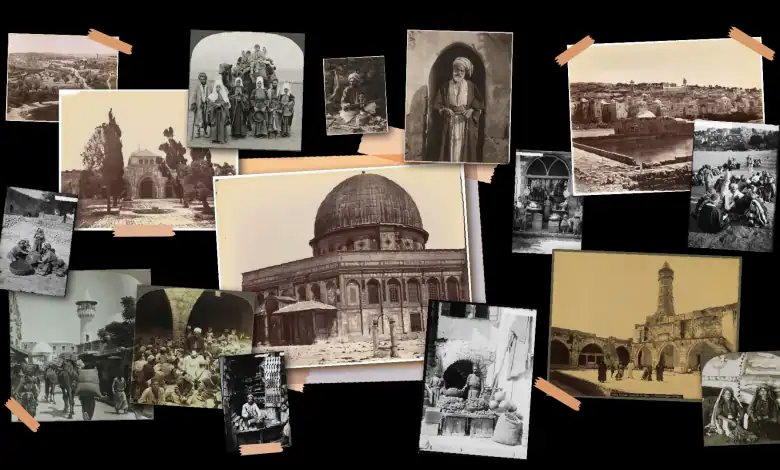
For centuries before the Israeli occupation in 1948, Palestine was a vibrant homeland full of villages and cities, mosques and churches, orchards and bustling markets.
From the citrus groves of Jaffa to the sacred stones of Jerusalem, Palestine was a thriving country, full of life, culture, beauty, and rich history.
However, Israel has been persisting that Palestine is an empty land and “a land without a people”. Israel’s false claim sought primarily to erase the reality of Palestine as a country deeply rooted in culture and history. The Israeli occupation has promoted the myth of the ”empty land” as one of the pillars of Zionist propaganda to justify the occupation of Palestine. It also used this colonial narrative to shape public opinion and legitimize its occupation.
Palestinian Cities Before 1948
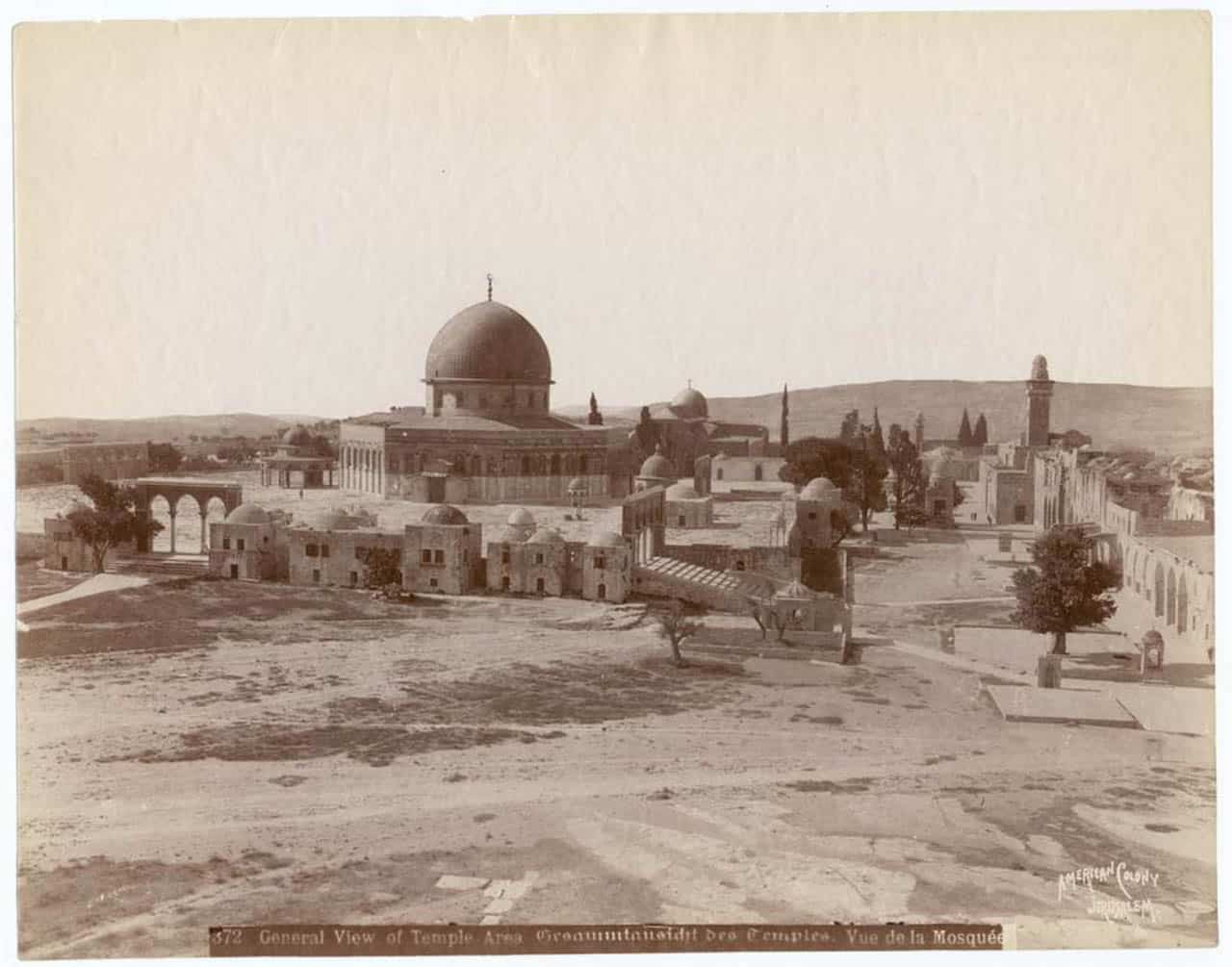
Jerusalem: It holds a visible and significant place in the hearts of Palestinians and Muslims all over the world. Jerusalem was a home to several communities, ancient mosques, churches, schools, and lively markets.
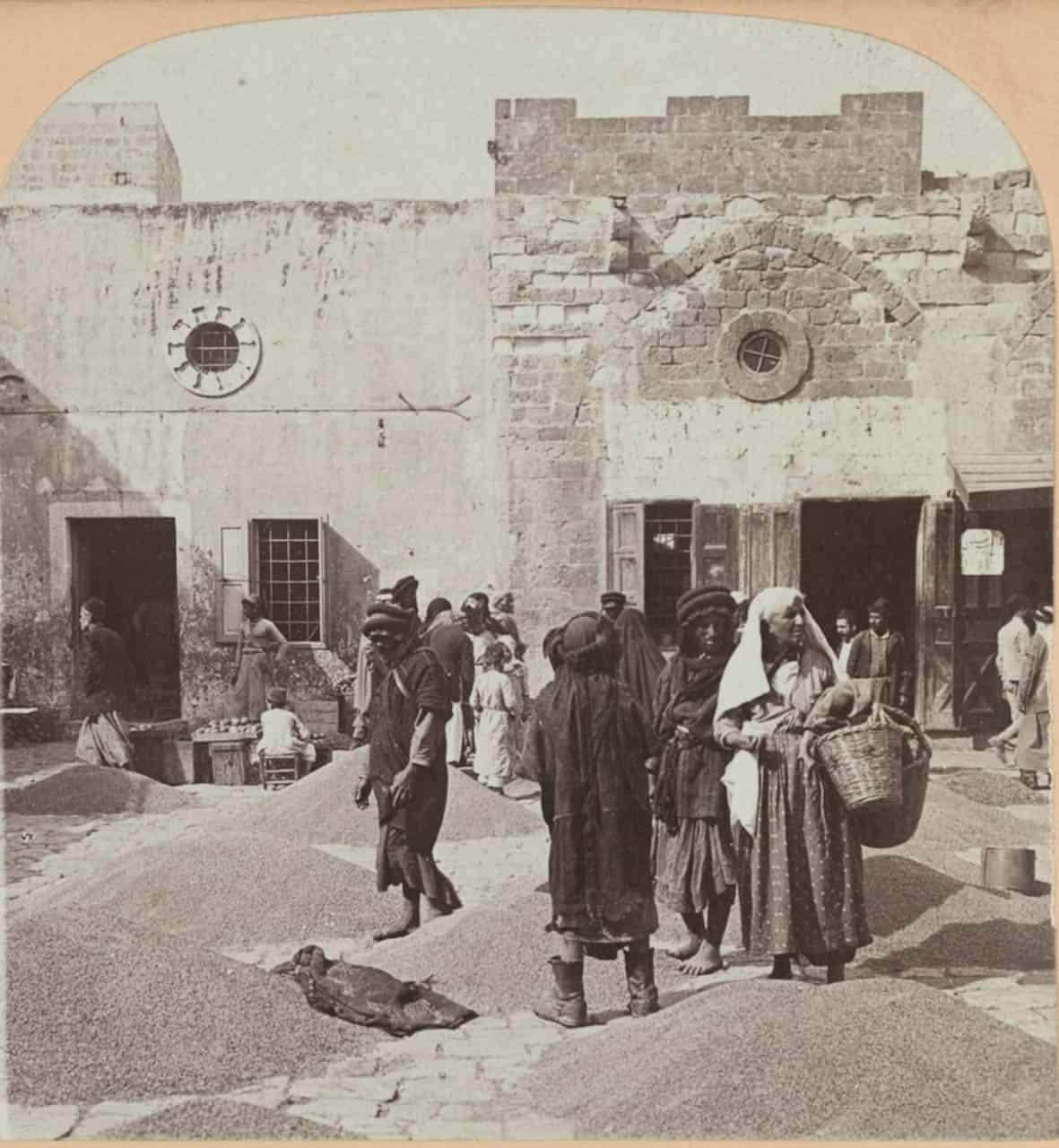
Haifa: A stunning port city boasting outstanding beaches and mixed communities. It served as a thriving industrial hub and a home to railways, factories, and shipping routes. Over decades, Haifa turned into a center for modern industry and labor movements.
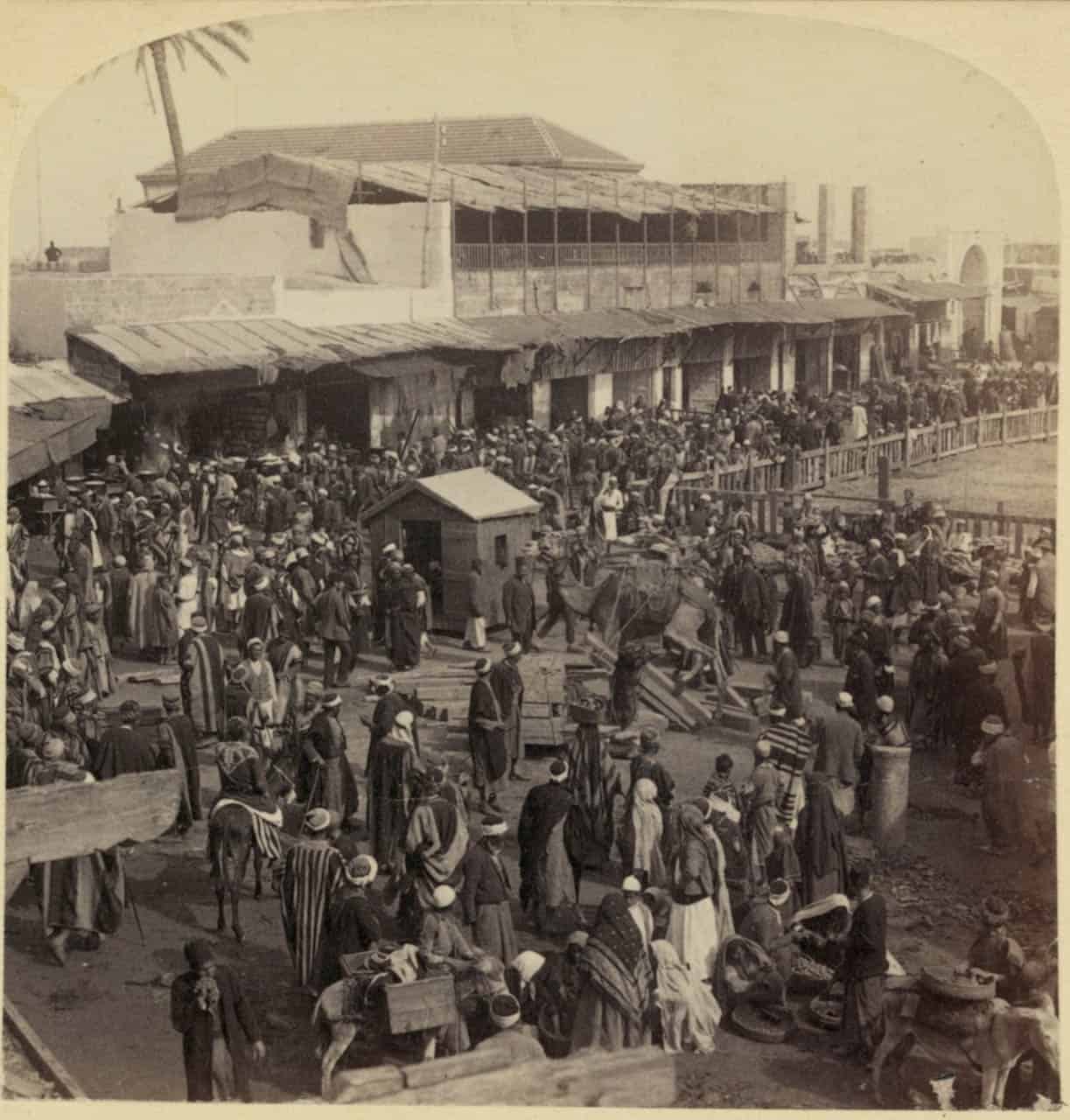
Jaffa: A bustling port city known for its citrus trade, particularly the renowned Jaffa orange. It also contains a significant harbor that connected Palestine to international markets. Therefore, Jaffa secured a special place among the most important trade hubs in the eastern Mediterranean.
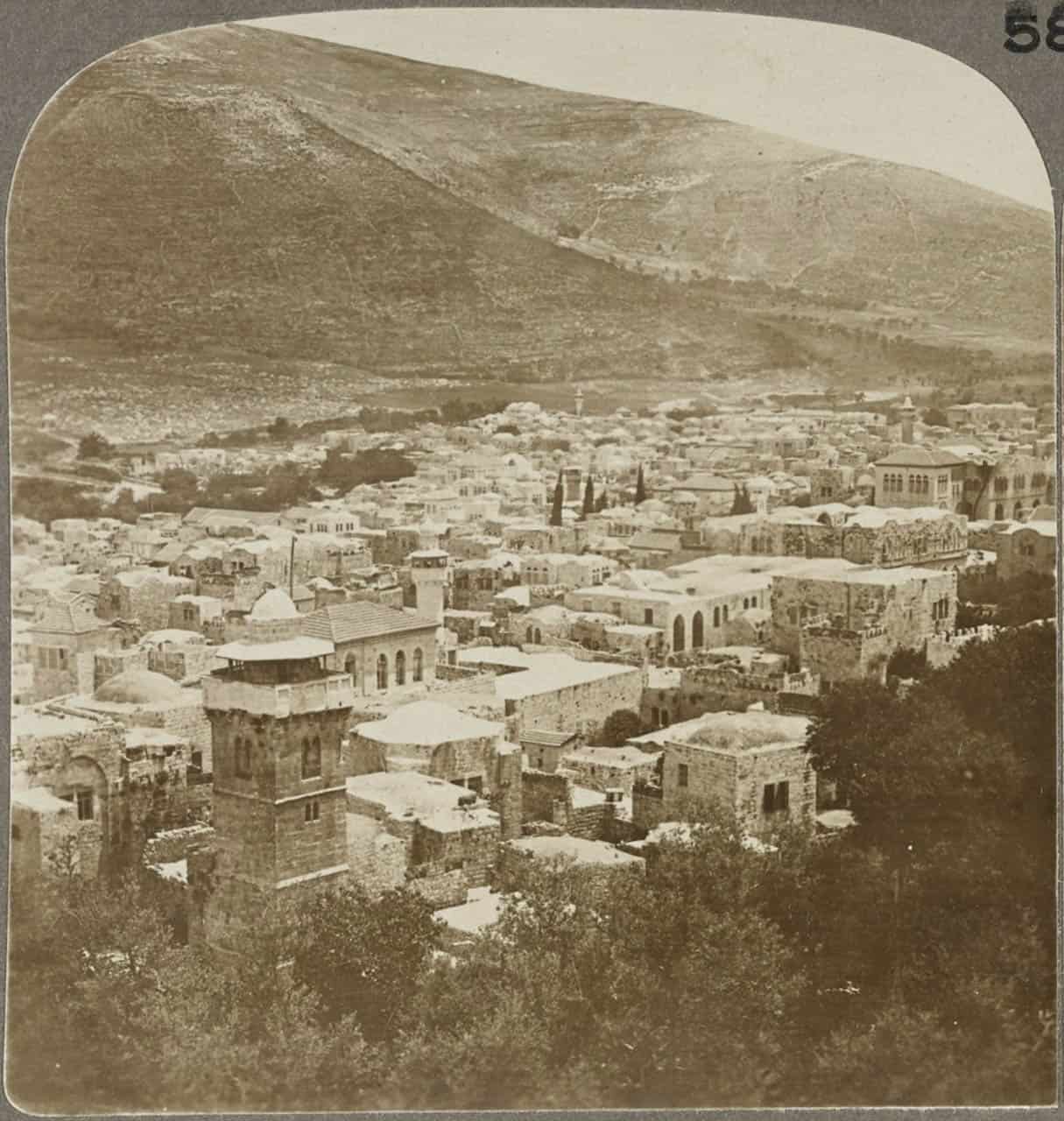
Nablus: Located in the heart of the West Bank, Nablus is one of the oldest cities in the Middle East. The city stands as a symbol of Palestinian identity, resistance, and political activism.
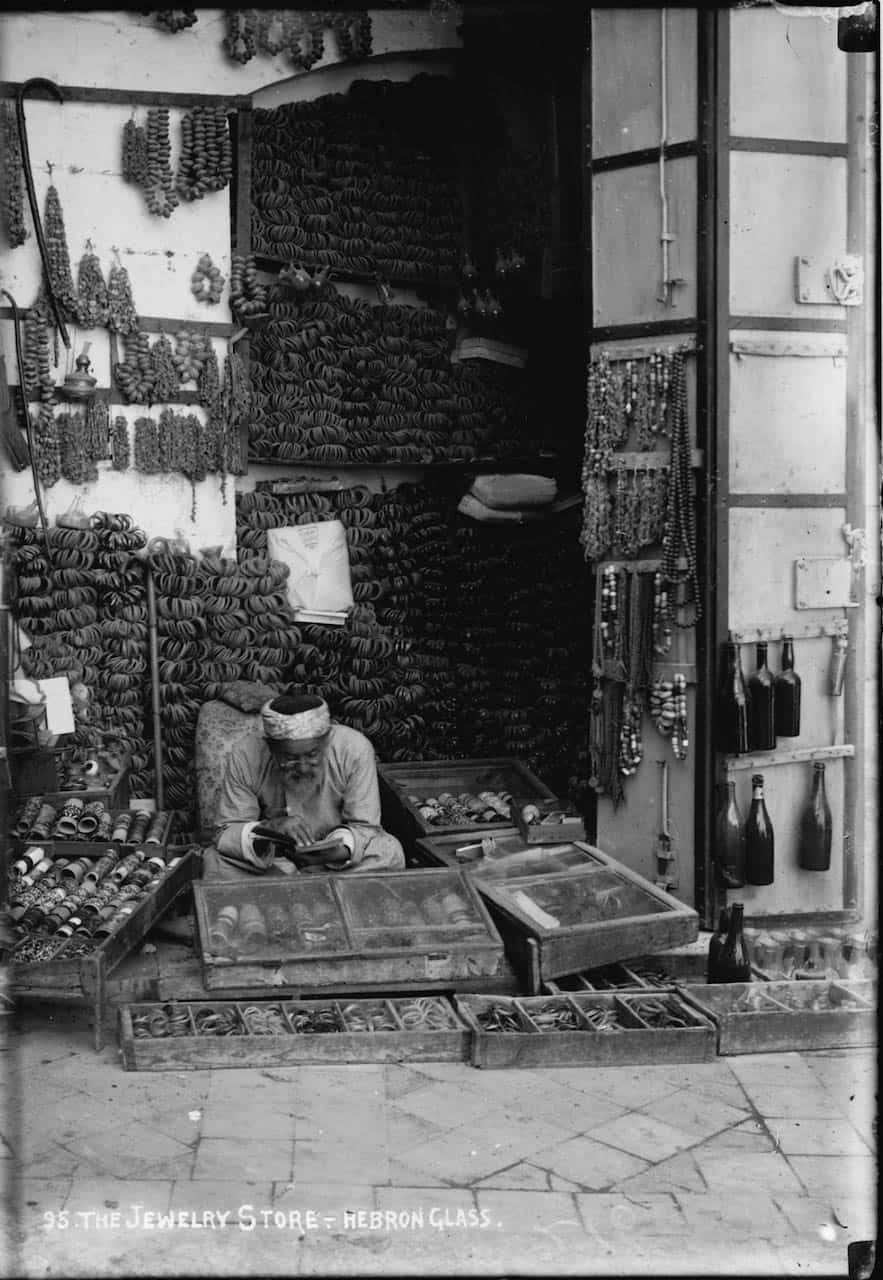
Hebron: Nestled in the southern Judaean Hills south-southwest of Jerusalem, Hebron was a major center for trade and economy. From its sacred tombs to its colorful souks and resilient spirit, the city had a long history of producing glassblowing, ceramics, and stone-carving industries. Being the burial place of the Prophet Ibrahim, Hebron represents a sacred city for Muslims, Christians, and Jews alike.
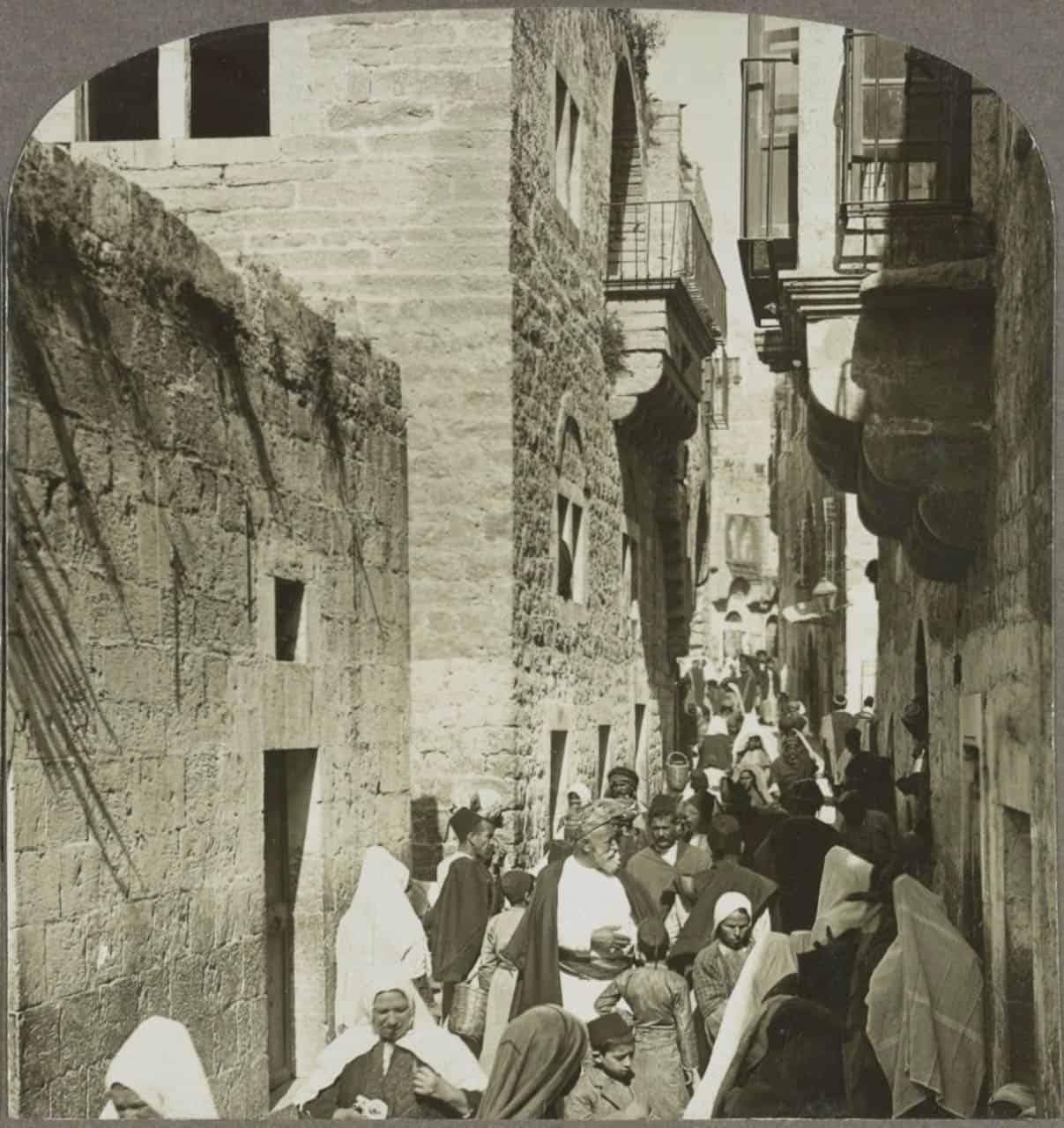
Bethlehem & Nazareth: Both cities have great historical and religious significance. Bethlehem is the birthplace of Jesus Christ, according to the Christian tradition. The city boasts the Church of the Nativity, one of the oldest and most important Christian churches in the world.
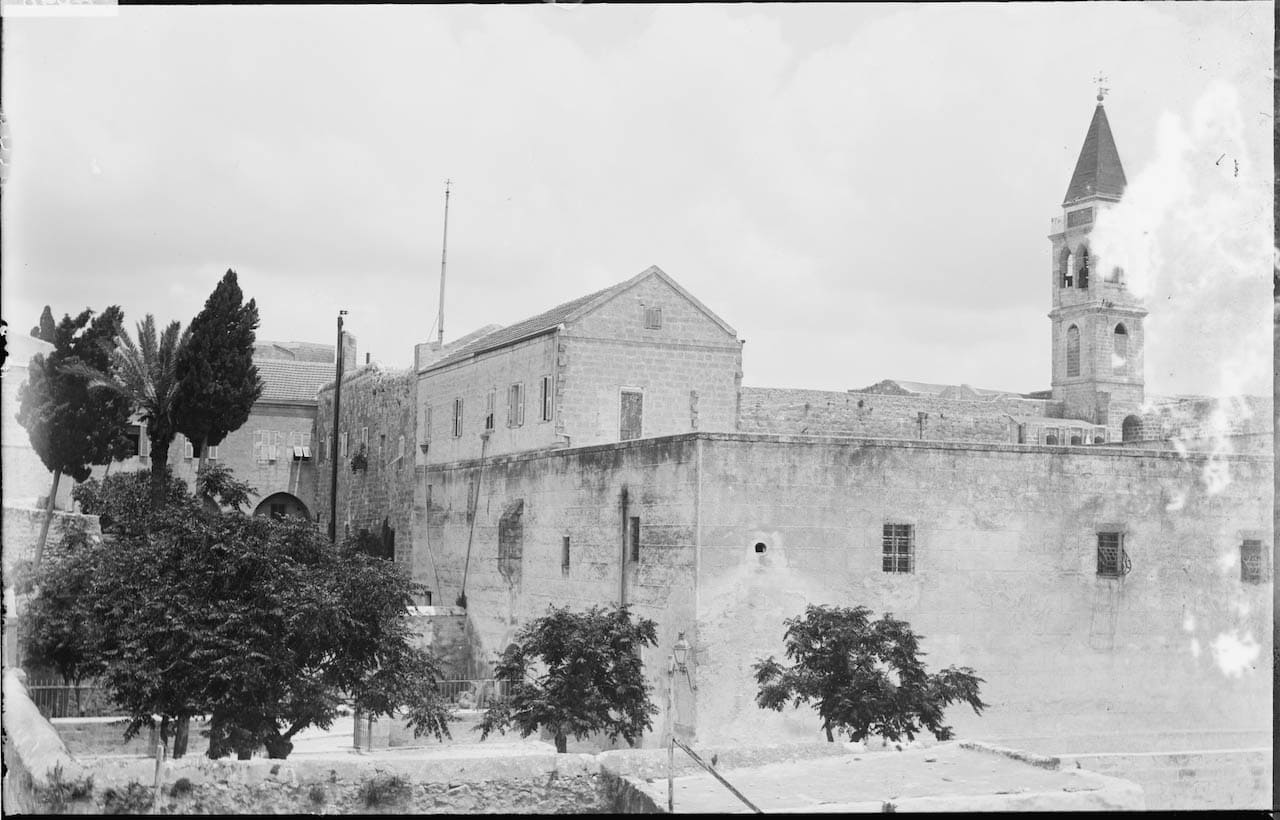
Meanwhile, Nazareth is usually referred to as the childhood home of Jesus Christ. Although both cities are located in different regions, they are closely connected in Christian tradition.
Palestinian Landscape
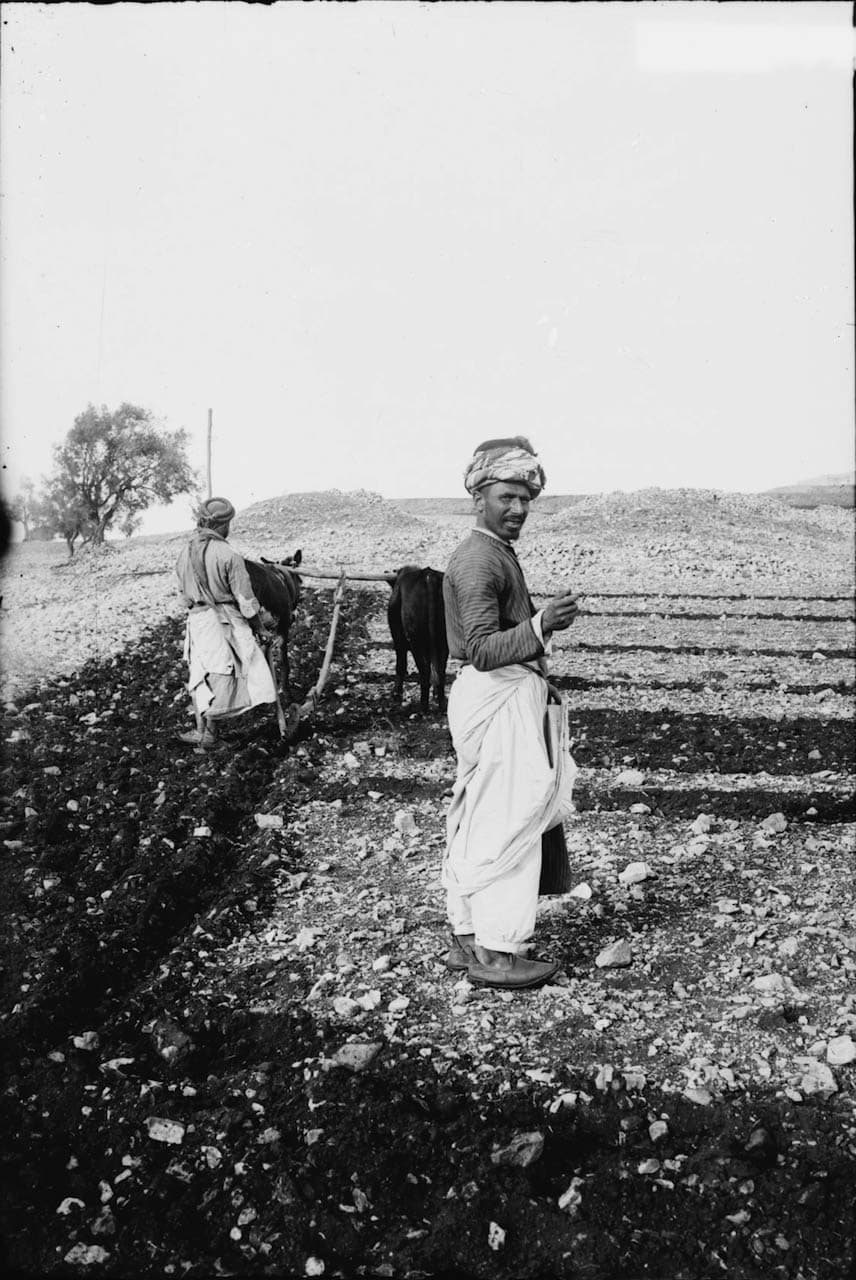
Palestine has an extraordinary landscape known for its diversity and fertility. From the citrus orchards and olive groves in the coastal plain along the Mediterranean to rolling hills, vineyards, and fertile valleys in the north, Palestine boasted highly distinctive agricultural progress.
As for the central highlands, they included several terraced villages built from stone, where people cultivated figs, pomegranates, wheat, as well as barley.
Moreover, families in the Jordan Valley used the irrigated lands to cultivate vegetables, bananas, and dates.
Despite the fact that the Negev desert was more arid, it played a key role in the life of the Bedouin tribes who practiced herding and seasonal agriculture.
Intellectual & Cultural Life
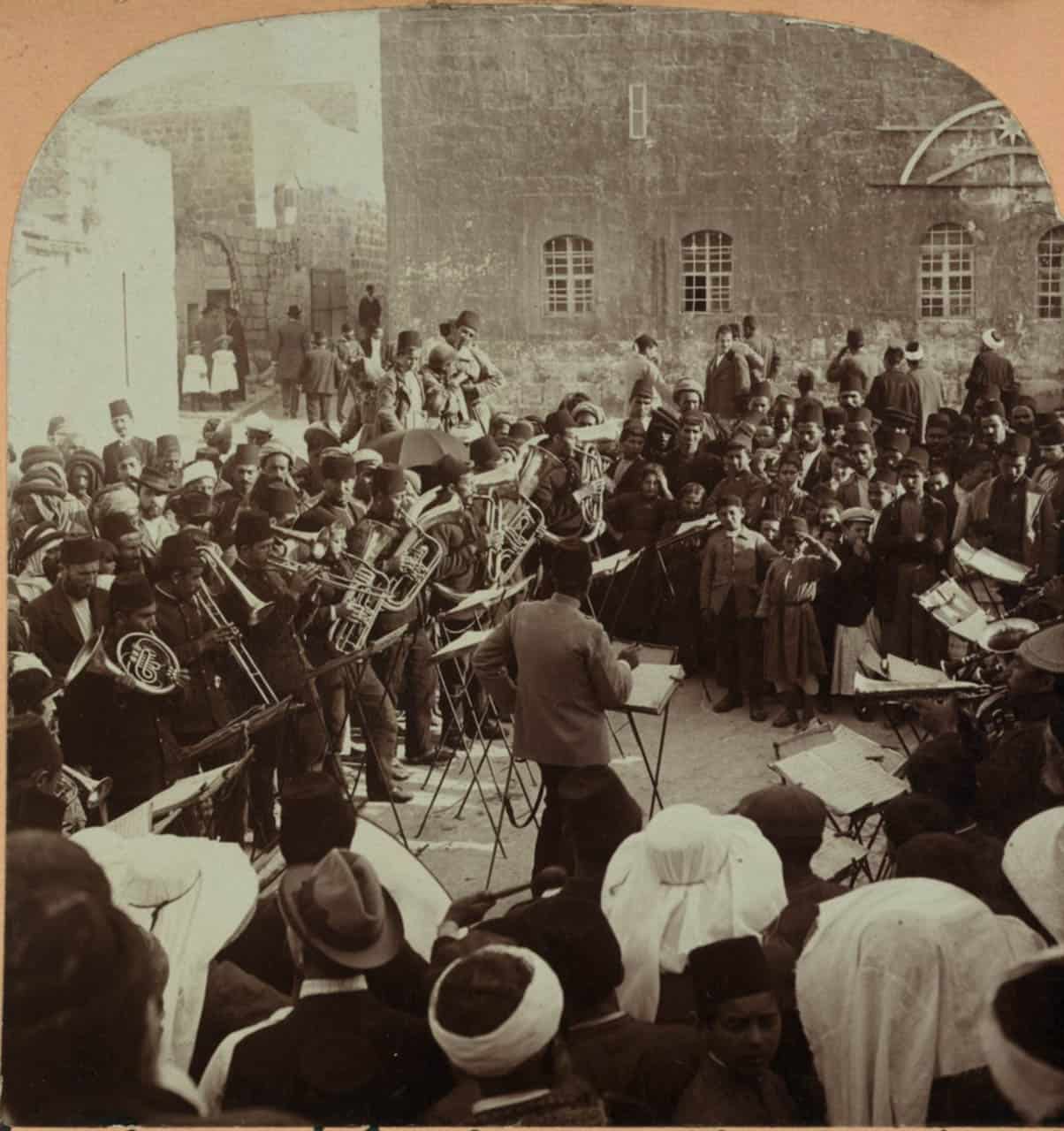
Palestinian society paid unparalleled attention to education in the years before the Israeli occupation in 1948.
Palestine experienced a noticeable growth in schools, literacy, and intellectual life, particularly with the growing number of public and private schools across cities and villages. Furthermore, Palestinians established several prestigious institutions such as the Arab College in Jerusalem and the Palestinian Scientific Society.
The cultural aspects like poetry, art, and music have also witnessed remarkable progress with educated Palestinians publishing dozens of newspapers and journals.
Literature and poetry also flourished, with prominent figures like Ibrahim Tuqan and Abdul Rahim Mahmoud expressing national pride and resistance through their verses.
Interestingly, Palestinian society has excelled in traditional crafts, from embroidery and music to theater and photography.
Diversity and Coexistence
Diversity and coexistence were among the pillars of the Palestinian society before 1948 as Muslims, Christians, and Jews lived side by side in cities, towns, and villages.
Through its mosques, churches, and synagogues, Jerusalem was a spiritual place that witnessed unprecedented coexistence between three communities. Other cities like Haifa, Jaffa, and Acre were also home to mixed communities engaged together in trade, education, and cultural life.
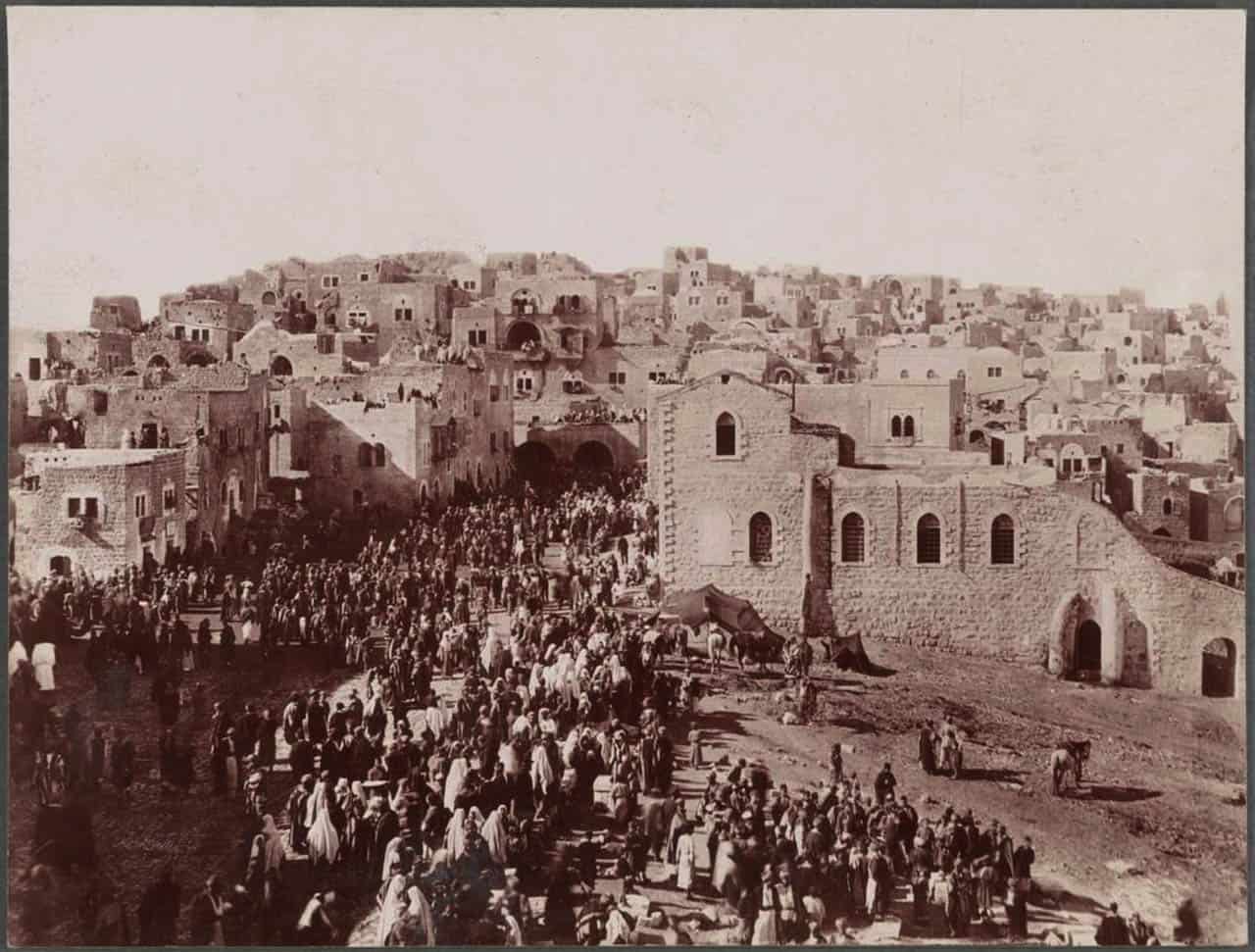
Notably, Christian towns such as Bethlehem and Nazareth attracted Christians worldwide due to their importance in the biblical narrative.
Meanwhile, Jewish communities were long rooted in cities like Jerusalem, Hebron, and Safed constituting a part of the social fabric of the land.
These aspects have marked Palestinian society by tolerance and interconnectedness.
The “Empty Land” Myth
Israel depended on a colonial myth to occupy the Palestinian territories under a false claim that it is “a land without a people.”
This narrative actually collapses under the weight of historical documents, cultural evidence, and demographic realities.
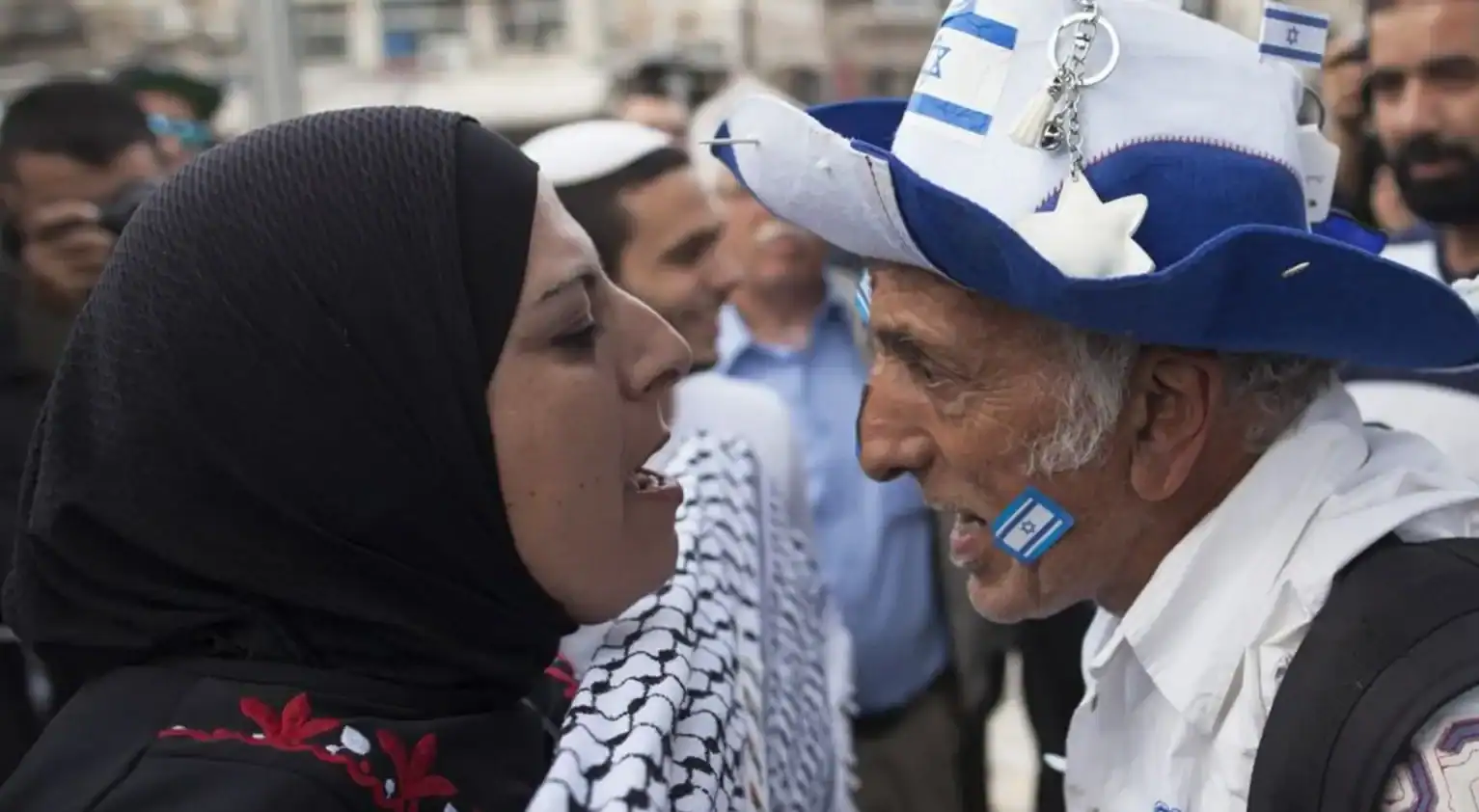
Before 1948, Palestine was an integral part of the Arab world and a vibrant society with over 400 villages across the land. It was home to two million people living in cities and towns.
Israel has attempted to erase the identity of Palestine and its people through its Zionist Project. This project has transformed Palestine from a vibrant, green, populous land that was on the path to modernization and national independence into an occupied land suffering ongoing conflict, acts of violence and forcible displacement.
Related Topics:
Israel Pledges to Revive Evacuated West Bank Settlement
Israel’s Smotrich Embarks on Settlement Plan to ‘Bury’ Idea of Palestinian State
Israel Approves Gaza City Offensive Plan, Calls Up 60,000 Reservists