
Saudi Healthcare Goes Robotic: Riyadh Hospital Brings Next-Era Surgery System to the Kingdom
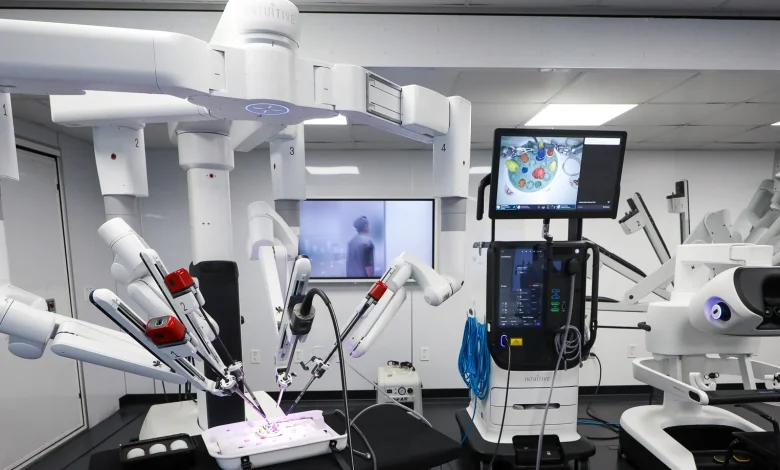
Driving the news: The Security Forces Hospital in Riyadh has introduced the da Vinci 5 robotic surgery system. It is the first hospital in Saudi Arabia to use the fifth generation of this technology.
The hospital launched the system in September 2026. Surgeons first repaired a hernia for a 51-year-old patient, and the operation succeeded. Next, the team removed an adrenal gland. The hospital will now expand the system gradually across more surgical specialities.
Why it matters: The step shows how quickly Saudi Arabia adopts advanced medical technology. Robotic surgery supports minimally invasive procedures, which typically mean smaller incisions and faster recovery. In addition, the hospital joins the Gulf’s leading centers in robotic care. For example, American Hospital Dubai announced earlier this year that it had brought the da Vinci 5 to the GCC. As a result, the technology is spreading across the region.
What the da Vinci 5 Brings to the Operating Room
The da Vinci 5 ranks among the newest generations of robotic surgery platforms. It combines advanced computing power with a high-resolution 3D vision system. Regional reports describe more than 150 technical enhancements. They also cite roughly 10,000 times the computing capacity of earlier generations.
Force sensing stands out. The feature lets surgeons feel the push and pull that instruments apply to tissue. Consequently, surgeons gain finer control and greater precision during operations. The system also improves image processing, the surgeon’s working environment and digital capabilities.
Zoom in: The hospital views the system as a major addition to its surgical services. Furthermore, it plans to develop its surgical teams and widen robotic applications. Surgeons will follow approved medical practices and standards throughout.
The Kingdom’s Healthcare Drive
The big picture: The launch fits a wider national effort. Saudi health authorities keep upgrading services, adopting advanced technology and raising the quality and efficiency of care. Their goal is safe, specialised services for every beneficiary.
The Health Sector Transformation Program, a pillar of Vision 2030, drives that effort. It shifts the system toward prevention, primary care and digital services. Consequently, life expectancy rose from 74 years in 2016 to 79.7 years in 2025, according to the Ministry of Health’s 2025 annual report. The Vision 2030 target is 80 years.
Digital health shows similar momentum. The Sehhaty app now serves more than 31 million beneficiaries. Meanwhile, primary healthcare services reach 97.5% of population centers, including remote communities. Health regions also reached 92% readiness for health risks, which met the 2030 target early.
By the numbers:
- SAR 259 billion ($69.1 billion): health and social development allocation in the 2026 budget, the largest sector item.
- SAR 170.6 billion ($45.5 billion): health and social development spending in the first half of 2026, up 10%.
- SAR 81 billion ($21.6 billion): spending in the first quarter of 2026, up 12%.
- 7 years: life expectancy in 2025, up from 74 years in 2016. The 2030 target is 80.
- 5%: share of population centers that primary healthcare services cover.
- 92%: regional readiness for health risks, ahead of the 2030 target.
- 31 million+: beneficiaries using the Sehhaty app.
- 150+: technical enhancements in the da Vinci 5, according to regional reports.
A Growing Robotic Surgery Record
Robotics is not new to Saudi hospitals. Rather, the da Vinci 5 builds on a record of firsts. For instance, the King Faisal Specialist Hospital and Research Centre performed what Arab News described as the world’s first fully robotic heart transplant. Similarly, the Ministry of National Guard Health Affairs carried out the Kingdom’s first remote robotic surgery. A team in Riyadh operated on a patient at King Abdulaziz Medical City in Jeddah.
Other hospitals have also pushed boundaries. King Abdullah Medical City in Makkah performed its first robotic thoracic surgery on the da Vinci Xi system. Likewise, Johns Hopkins Aramco Healthcare became the first Saudi hospital to perform a robotic hysterectomy using fluorescent dye.
Together, these milestones show a clear pattern. Hospitals across the Kingdom invest in skilled teams and modern platforms. Therefore, patients gain access to more precise and less invasive options close to home.
What’s next: The Security Forces Hospital will extend da Vinci 5 use across more surgical specialities. As its teams build experience, more patients should benefit from minimally invasive care. Meanwhile, the Kingdom’s healthcare reforms continue to move toward the 80-year life expectancy goal.