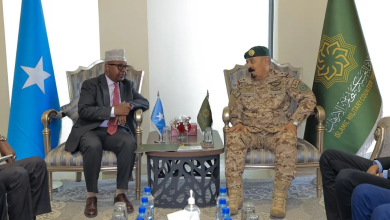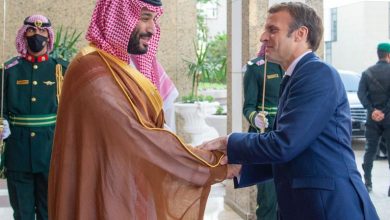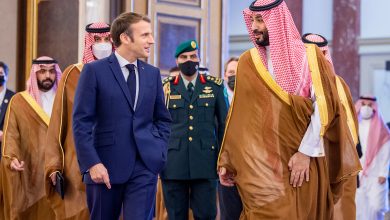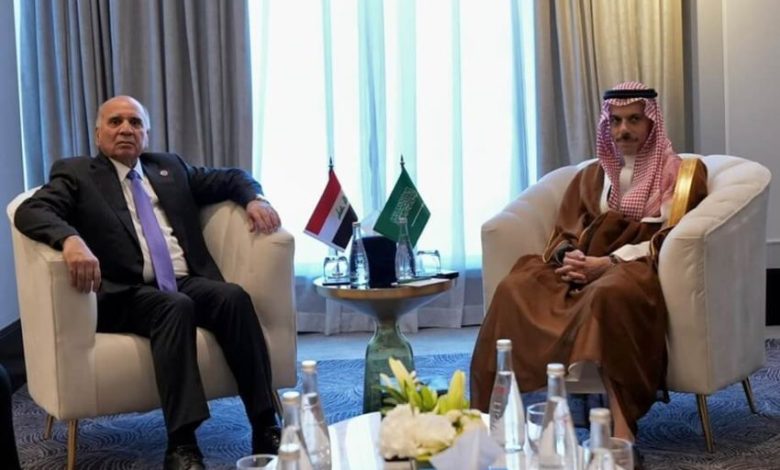
The big picture: Iraq and Saudi Arabia are moving forward with plans for an Iraqi security delegation to visit Riyadh, even as tensions simmer following joint US-Saudi airstrikes on Iran-aligned groups inside Iraq last week. Consequently, Iraqi Foreign Minister Fuad Hussein on Wednesday met Saudi Foreign Minister Prince Faisal bin Farhan Al Saud in Amman, Jordan. The two senior diplomats convened on the sidelines of an Arab League ministerial meeting regarding occupied Jerusalem.
Furthermore, they finalized arrangements for the security envoy and reviewed preparations for Prime Minister Ali Al-Zaidi’s upcoming official visit. This high-level diplomatic outreach represents Prime Minister Al-Zaidi’s first official trip to Riyadh since taking office in May.
De-escalation and Security Alignment
Why it matters: Recent joint precision strikes by United States and Saudi forces against Iran-aligned armed groups in Iraq elevated regional tensions significantly. Specifically, US Central Command confirmed targeted operations against militia sites that launched attacks against US personnel and Saudi energy infrastructure.
Subsequently, the air strikes struck Popular Mobilization Forces (PMF) positions across seven Iraqi provinces, including Baghdad, Basra, Wasit, Nineveh, Kirkuk, Karbala, and Diyala. The PMF reported that the severe bombardment killed at least 20 members and injured 32 others while inflicting extensive damage on official facilities.
Between the lines: Despite these friction points, both sovereign nations actively seek diplomatic channels to stabilize their shared border and safeguard regional stability. During the Amman talks, Foreign Minister Hussein explicitly detailed Iraq’s firm policy to enforce state control over all weapons nationwide.
In response, Prince Faisal bin Farhan reiterated Saudi Arabia’s full support for Baghdad’s efforts to strengthen state authority and consolidate internal security. Moreover, Riyadh views a strong Iraqi state as a vital partner in maintaining Gulf stability.
State Sovereignty and Defense Imperatives
What they are saying: Saudi Arabia emphasized that its military actions do not target Iraq’s government or its civilian population. A senior Saudi official clarified that the Saudi strikes targeting pro-Iranian militias in Iraq “do not target the Iraqi people or the Iraqi government, but targeted militia capabilities that threatened the Kingdom’s security and its vital economic facilities.”
Similarly, Saudi diplomatic leadership underlined the necessity of protecting sovereign borders from non-state armed actors. Prince Faisal urged “supporting everything that enhances Iraq’s interests so its territory does not turn into an instrument of aggression against its neighbors.”
Meanwhile, Baghdad reaffirmed its unwavering commitment to prevent hostile armed operations from originating inside Iraqi borders. Iraqi Prime Minister Ali Al-Zaidi directed security commanders to implement strict deterrent measures across all provinces.
Specifically, Prime Minister Al-Zaidi stressed the necessity to prevent “any violation or threat originating from Iraqi territory against neighboring countries.” This directive reinforces Iraq’s official determination to shield its national sovereignty from broader regional escalation.
Energy Infrastructure and Regional Diplomacy
The wider context: Beyond immediate security coordination, the two foreign ministers addressed critical economic and energy security challenges. Specifically, they discussed security threats affecting vital oil export routes and global energy supply chains. Both sides reviewed regional diplomatic initiatives aiming to reopen the strategic Strait of Hormuz to commercial maritime navigation.
Additionally, the ministers discussed preparations for the upcoming Arab Summit, including venue proposals amidst ongoing regional security developments. Ultimately, Baghdad continues a careful diplomatic strategy as it deepens security cooperation with Riyadh while managing influential domestic armed factions.
What’s next: The upcoming Iraqi security delegation visit to Riyadh will establish concrete mechanisms for border security and intelligence sharing. Therefore, reciprocal visits across various levels will follow to solidify long-term bilateral cooperation.