From Beneficiaries to Boardrooms: How Saudi Women Now Lead The Kingdom’s Non-Profit Sector
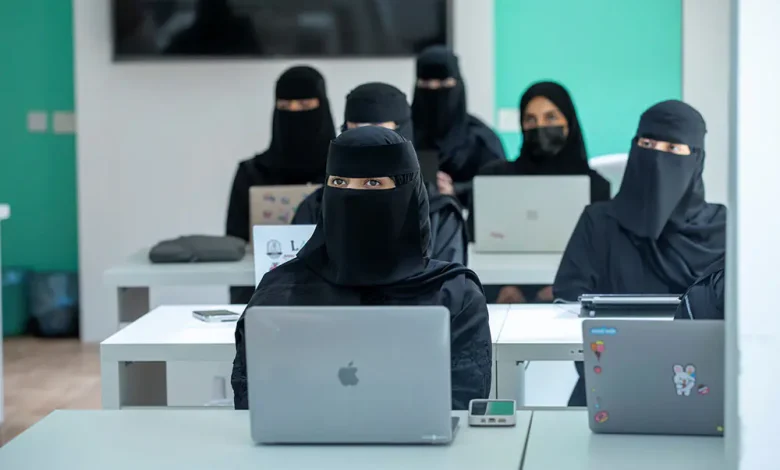
Saudi women now stand at the forefront of the Kingdom’s non-profit revolution, as they are no longer just beneficiaries or participants; they are architects of a sector that has grown by over 341% in recent years. This transformation, driven by Vision 2030, marks a fundamental shift in both social development and female empowerment.
Why it matters: The Kingdom’s non-profit sector has grown into a genuine economic force under Vision 2030, and women are driving much of that expansion from senior leadership positions rather than volunteer desks.
Universities Join the Push
Ministry of Education advisor Dr. Najah Al-Qaraawi said community service now ranks as a core strategic function for Saudi universities, standing alongside teaching and research. She pointed to her earlier work founding the deanship of community service and sustainable development at Imam Abdulrahman bin Faisal University, where a disaster-safety program led to the graduation of more than 1,500 volunteers who still serve their communities today. Al-Qaraawi also highlighted the university’s Social Responsibility Bank, established in 2019, which earned a US patent as the first system of its kind worldwide for measuring institutional social impact.
By the numbers: The National Center for Non-Profit Sector’s 2025 report captures the scale of this shift.
- Non-profit organizations grew more than 341% to reach 7,200, and the sector’s workforce expanded to 141,432 employees, up from just 19,200 in 2017.
- Development spending climbed to SAR6.1 billion from SAR1.6 billion in 2017, and the sector now contributes 1.40% to GDP, worth roughly SAR66 billion.
- The National Center also trained and qualified 30,000 sector workers, a significant share of them women, to take on advanced roles. Beneficiary satisfaction reached nearly 90%, up from a 73% baseline in 2019.
Driving Sustainability and Social Capital
The National Observatory for Women’s development index put women’s participation at 73 points in 2023, split between an economic pillar of 59 and a social pillar of 80. Observatory Director Dr. Sanaa Mohsen Al-Otaibi said 2025 marked “a qualitative leap” in women’s empowerment, citing a rise in women’s labor-force participation to 34.2% and a jump in their share of middle and senior management roles to 44%.
What they’re saying: King Saud University advisor Dr. Malak Yahya Qattan said Saudi women have shifted decisively from implementation roles into leadership, planning, and decision-making positions across associations, charities, and endowment entities. She named institutions such as the Al-Nahda Society, Alwaleed Philanthropies, and the Misk Foundation as training grounds for a new generation of female leaders.
Women’s Committee for Community Development in Riyadh Region Chair Princess Noura bint Mohammed bin Saud said Saudi leadership has always believed that “national progress cannot be achieved without the participation of all its citizens.” She added that women have moved from being primarily beneficiaries of welfare programs to guiding the sector toward sustainability and financial independence, particularly through endowments and social responsibility initiatives.
Learning Disabilities Association Executive Director Dr. Firdous Jibril Falatah said women’s leadership now touches education, health, psychosocial support, vocational training, and social entrepreneurship, work she linked directly to the sector’s rising beneficiary satisfaction scores. She described strategic partnerships as essential modern development tools, noting that Saudi women have proven their ability to build alliances across sectors.
Technology Reshapes the Sector
Alwaleed Philanthropies board member Dr. Wafaa Hamad Al-Tuwaijri said women play an active role in digital transformation, applying artificial intelligence and cloud computing to raise efficiency and strengthen cybersecurity across non-profit organizations. She pointed to the National Volunteer Portal, which now hosts 2.1 million volunteers and 7,000 organizations, as evidence of the sector’s growing digital footprint.
Al-Nahda Society CEO Dr. Muzna Al-Omair said artificial intelligence gives women powerful new tools for entrepreneurship, even as it introduces challenges like the digital divide. Her organization now runs training programs that help women apply AI to digital entrepreneurship and career adaptation.
The non-profit sector contributed 0.99% to GDP in 2024, already ahead of its interim target on the path toward a 5% goal by 2030. Dr. Qattan said the next phase will see Saudi women move completely from empowerment to impactful leadership, with the real challenge lying in expanding their influence over social investment, data analysis, and institutional transformation.
Bottom line: Vision 2030 has given Saudi women more than a seat at the table in the Kingdom’s non-profit sector, as it has made them the architects of its future, and officials expect that role to keep growing through 2030.