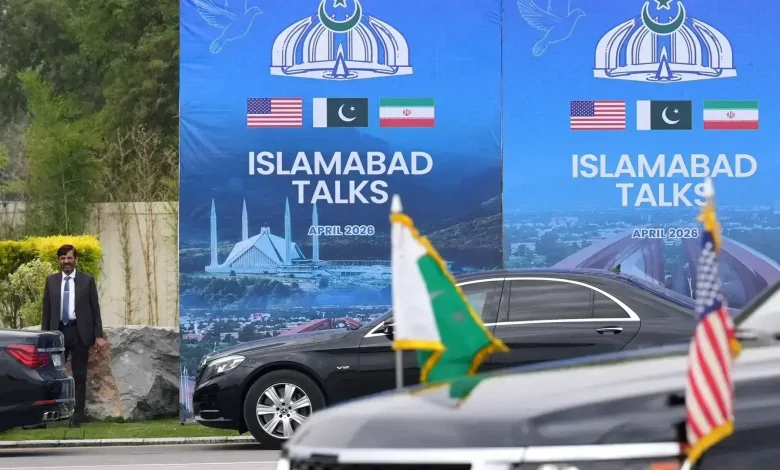
US President Donald Trump said on Tuesday that negotiations to end the Iran conflict might resume in Pakistan within two days. Consequently, diplomatic optimism emerged despite Washington imposing a port blockade on Tehran, with officials from Pakistan, Iran, and Gulf nations confirming US and Iranian teams could return this week. However, one senior Iranian source stated they had not finalized a date yet.
Trump told the New York Post, “You should stay there, really, because something could be happening over the next two days, and we’re more inclined to go there.” Meanwhile, Vice President JD Vance said Trump wants a “grand bargain” with Iran. “You are not going to solve that problem overnight,” Vance declared in Georgia.
Nuclear Dispute Blocks Quick Agreement
Nuclear ambitions remain the central obstacle between Washington and Tehran, as the US proposed a 20-year suspension of Iranian nuclear activity, while Tehran suggested three to five years. Furthermore, Washington demands removal of all enriched nuclear material from Iran. Nevertheless, backchannel talks since the weekend reportedly narrowed these differences significantly.
Complexities from the 2015 nuclear deal, which Trump abandoned in 2018, complicate rapid agreements. Additionally, the International Atomic Energy Agency (IAEA) would likely need to monitor and verify compliance. Iran also demands international sanctions relief, which the US cannot unilaterally guarantee.
Blockade Effects and Global Reactions
US Central Command reported zero ships bypassed the Iranian port blockade during its first day. Moreover, six merchant vessels turned back from restricted zones. However, shipping data showed at least eight ships still crossed the Strait of Hormuz Tuesday.
NATO allies Britain and France declined joining the blockade but offered future strait protection. Conversely, China called the US action “dangerous and irresponsible” while defending Iranian oil purchases. US Treasury Secretary Scott Bessent criticized China for stockpiling oil during the conflict.
The ceasefire has largely held despite sharp rhetoric from both sides, with rising energy prices and domestic opposition pressured Trump to pause US-Israeli bombing last week. Approximately 5,000 people have died since hostilities began 28 February.