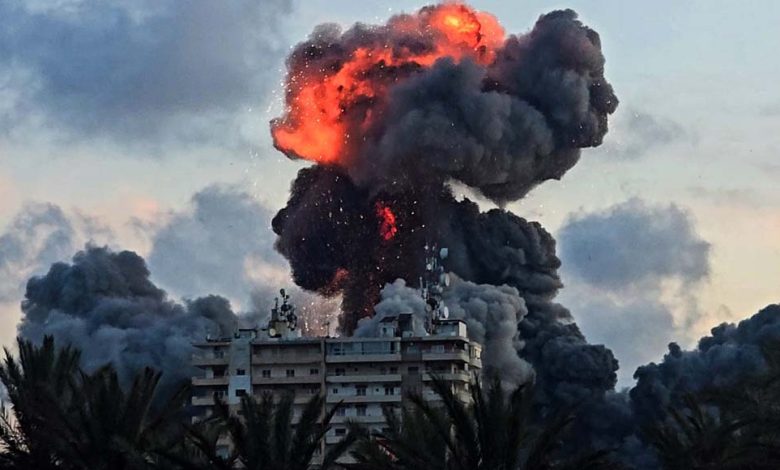
US forces struck Iranian coastal radar installations on Saturday after intercepting Iranian drones launched toward the Strait of Hormuz, the US military confirmed, marking the latest flare-up in a three-month-old war that has rattled Gulf states and global energy markets.
US Central Command announced via X that it had destroyed Iranian surveillance sites at Goruk and Qeshm Island, both positioned along the strait, after military officials concluded the four drones were targeting regional maritime traffic.
Iran’s Revolutionary Guard Corps swiftly retaliated, firing missiles at US bases in the region and targeting four tankers attempting to transit the strait without Iranian authorisation.
Gulf States on Alert
The exchanges sent shockwaves across the Gulf, as Kuwaiti air defences intercepted missile and drone attacks of undisclosed origin, while sirens sounded in Bahrain and authorities urged residents to seek shelter. Iran claimed ballistic missile strikes on US bases in both countries, though the US military said forces intercepted six of the missiles and a seventh fell short of its target.
Meanwhile, approximately one-fifth of the world’s pre-war oil supply previously flowed through the Strait of Hormuz. Iran has effectively blocked that passage since the conflict began on 28 February, when the US and Israel launched operations against Tehran. The resulting disruption has driven up oil prices and strained global supply chains. The UN World Food Program warned on Friday that rising fuel and transport costs are pushing millions closer to hunger.
Deal Remains Elusive
Washington and Tehran have conducted largely indirect negotiations toward an interim agreement, though periodic skirmishes continue to complicate progress. Tehran is demanding access to billions in frozen oil revenues, sanctions waivers on crude exports, the lifting of a US port blockade, and leverage over the strait. Mohsen Rezaei, an adviser to Iran’s supreme leader, told CNN that any deal hinges on the Trump administration unfreezing $24 billion in Iranian assets, warning the US would “enter into a dark corridor” if it resumed attacks.
US President Donald Trump, facing domestic pressure over rising gas prices, acknowledged Iran retains meaningful military capacity. “They have some missiles, they have some drones, maybe 21 to 22% of their missiles,” he told NBC’s Meet the Press. “It’s a lot of missiles, but it’s not what it was when we first attacked.”
On why Iranian leaders resist a settlement despite their apparent desperation, Trump said, “Because they are strong. They’re proud. There are things they never thought they’d be doing that they’re going to have to do, they’ve got no choice, and it takes a little while.”