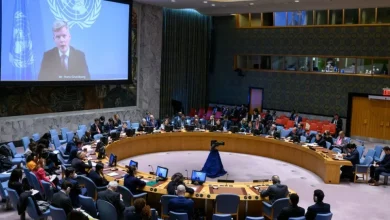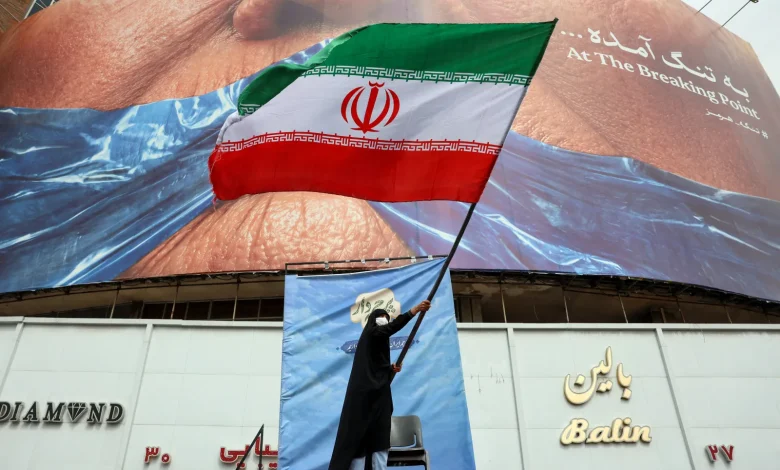
Iran has sent its formal response to a US proposal aimed at ending the current conflict, the state-run IRNA news agency confirmed on Sunday. This diplomatic development coincided with a significant maritime milestone, as a Qatari gas tanker became the first vessel to navigate the blockaded Strait of Hormuz since hostilities began.
Mediators in Pakistan received the Iranian response, though officials have not released specific details, reports indicate the document focuses primarily on establishing a formal end to the war. This proposal precedes potential negotiations on more complex issues, such as Tehran’s nuclear program.
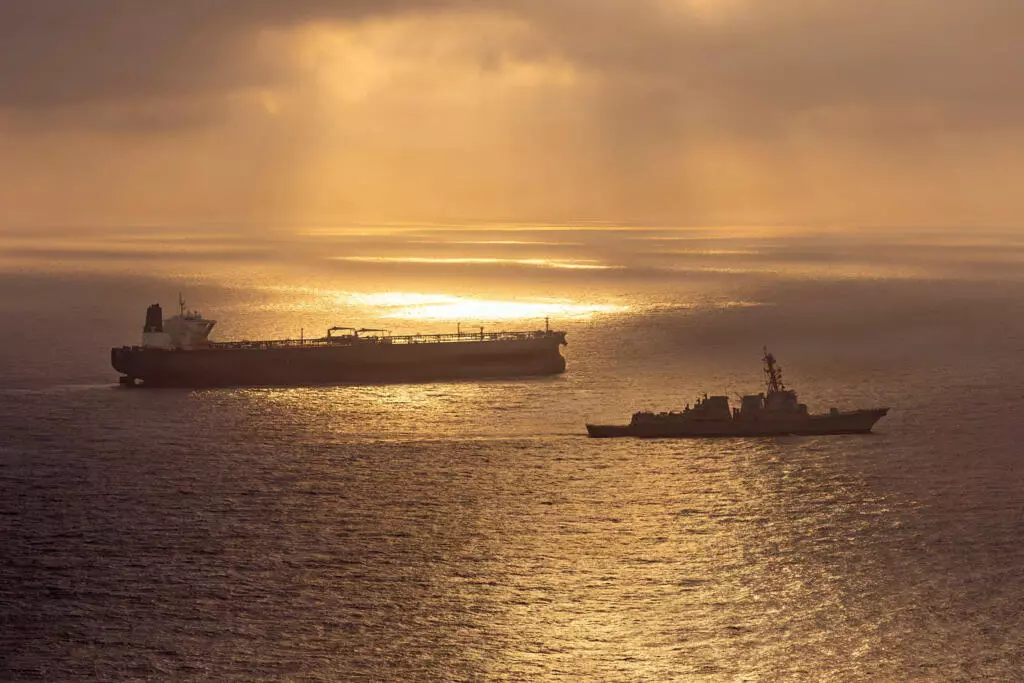
The Al Kharaitiyat, operated by QatarEnergy, passed safely through the strait toward Pakistan’s Port Qasim, following Iranian approval intended to build confidence with regional mediators. The delivery provides vital relief to Pakistan, which recently suffered widespread power blackouts due to halted gas imports.
While a month-old ceasefire technically holds, the passage of the vessel represents a critical test of the current relative calm. Analysts view the successful transit as a potential turning point for regional energy security.
Diplomatic Pressure and Global Impact
Global leaders are intensifying pressure to resolve the crisis, which has triggered a worldwide energy emergency. Qatari Prime Minister Mohammed bin Abdulrahman al-Thani recently urged Iranian Foreign Minister Abbas Araqchi to protect the freedom of navigation. He emphasized that using the Strait of Hormuz as a “pressure tool” would only “deepen the crisis.”
Washington maintains its blockade on Iranian vessels, yet international support for the US position remains limited. NATO allies have largely declined requests to send warships without a comprehensive peace deal. Conversely, Britain recently announced the deployment of a warship to prepare for a future multinational safety mission.
President Donald Trump’s upcoming visit to China adds further urgency to the negotiations. Meanwhile, internal Iranian reports suggest lawmakers are drafting legislation to formalize control over the waterway. This bill could potentially ban vessels from “hostile states” from entering the world’s most critical energy corridor.