
Political Exit: Yemen War Could End “Tomorrow” if Houthis Accept UN Plan: Coalition Spokesperson
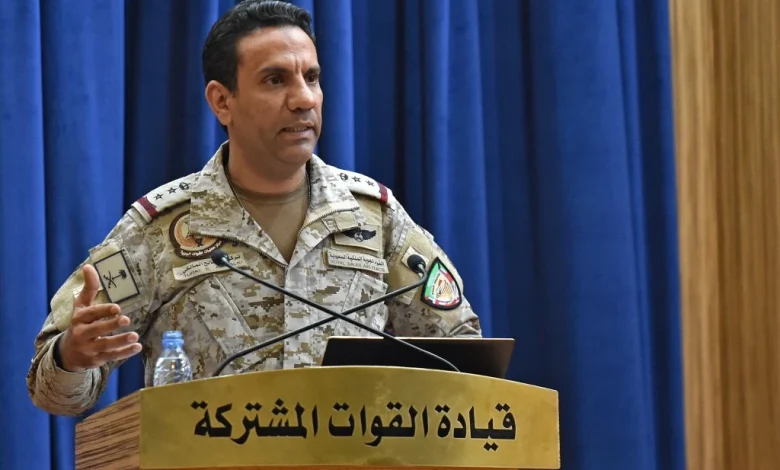
Driving the news: The war in Yemen could end “tomorrow” if the Iran-aligned Houthi group accepts a United Nations-backed political roadmap, Saudi-led coalition spokesperson Major General Turki Al-Malki told Reuters on Sunday. He also said that Saudi Arabia faces no shortage of air defense interceptors. In addition, he called the interim capital, Aden, a “red line.”
Why it matters: Houthi missiles and drones now reach Riyadh, the Eastern Province and the Red Sea coast, according to the Saudi government and the coalition. As a result, the war no longer stays inside Yemen’s borders. It now threatens Saudi cities, energy sites and global shipping lanes.
A Political Exit, Backed by Military Pressure
Al-Malki framed the coalition’s position in two parts. First, he offered a political route. Second, he promised to keep up the military pressure until the Houthis negotiate.
“The best solution is the political solution,” he told Reuters. “If the Houthis decided to go for the roadmap with the Yemeni government, the war can end … tomorrow.”
Meanwhile, the coalition will keep providing close air support to Yemeni government forces around the clock, he said. It will also keep targeting Houthi ballistic missiles, launchers and drones. “We are achieving the objective to dismantle and to destroy the TBMs (theatre ballistic missiles) and also the launchers,” he said.
Al-Malki said Riyadh has drawn a “red line” around Aden. He added that the coalition would do “whatever it takes” to protect the port city. Reuters reports that Houthi forces now stand roughly 60 kilometres (37 miles) from Aden.
He also acknowledged weaknesses on the government side. The Yemeni government admits “some gaps happened two times in the last three months,” he said. The coalition hopes its Yemeni partners will fix those tactical errors, he added.
However, he rejected the idea of sending Saudi ground troops into Yemen. Yemeni forces, he argued, already have the numbers, tribal support and capability.
“No Shortage” of Interceptors
Some reports say Saudi Arabia is running low on air defense interceptors. Al-Malki dismissed them directly.
“We are buying our weapons. It goes through government-to-government agreement, and we don’t have a shortage,” he said. “I assure (you) that we have the capability to defend our country.”
Reuters cited the Gulf Research Center, a Riyadh think tank, which put the Saudi interception rate above 92% by October. That figure comes from a single think tank.
Military Response
The coalition announced a “military response” on Sunday to what it calls the Houthis’ targeting of civilians. It issued its claims through its spokesman’s posts on X. Xinhua summarized them as follows:
Air defenses destroyed three ballistic missiles. Two flew toward the Eastern Province and one toward Riyadh.
Debris from the Eastern Province interceptions injured no civilians, the coalition said.
Forces destroyed a launch platform in Saada that, the coalition says, the Houthis used against Jazan.
Earlier on Sunday, the coalition urged civilians to leave Ras Isa port in Hodeidah province. Houthi-run Al Masirah TV then reported a Saudi attack on the port. The coalition has not confirmed a strike on Ras Isa, Reuters notes. It also gave no casualty details.
By the numbers:
- 274: attacks on Saudi Arabia between 1 July and 25 November, according to a BBC analysis of ACLED data. At least 41 got through.
- 92%+: Saudi interception rate by October, per the Gulf Research Center, as Reuters cites it.
- 13 killed, 300+ injured: toll of the 10 October strike on Riyadh’s King Khalid International Airport, the BBC reports.
- 11 injured: casualties from the 24 November drone attack on a Riyadh financial district tower, Saudi Civil Defense says.
- 400,000 barrels per day: processing capacity of the Jazan refinery, where the Energy Ministry says an attack on 26 November killed one Nepali worker.
- 74%: year-on-year drop in foreign cargo vessel calls at 10 Saudi Red Sea ports in October, according to Lloyd’s List.
- About 12% of global trade and a quarter of all container traffic normally transit the Bab al-Mandeb Strait.
- 3 million: people in Yemen needing aid in 2026, per the UN’s humanitarian office, OCHA.
- 340,000+: people forced from their homes since August, according to the International Organization for Migration (IOM).
- SAR 8.1 billion ($2.16 billion): the UN’s 2026 Yemen appeal. About 23% of it, roughly SAR 1.9 billion ($505 million), has arrived, per IOM.
A Threat that Reaches Beyond Yemen
The attacks have hit sites that matter to the global economy. The coalition blames the Houthis for the 26 November attack on the Jazan refinery. Saudi Arabia’s Energy Ministry says it killed a Nepali worker. The Houthis claimed an attack on the Ras Tanura refinery on 25 November. Reuters reported satellite imagery showing thick black smoke around the site.
Moreover, the Houthis now threaten the Red Sea ports that Riyadh uses as an alternative export route. On Sunday, Houthi military spokesman Yahya Saree said Jeddah’s port and all Saudi Red Sea ports would become targets. The group also urged workers near those ports to leave.
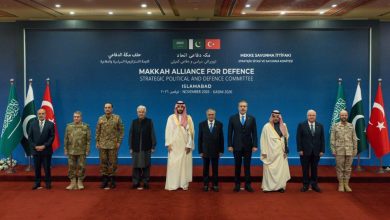
Shipping data shows the strain. Lloyd’s List Intelligence says Bab el-Mandeb tonnage in mid-November stood 38% below pre-crisis levels. Separately, Pakistan says it will send troops to help defend Saudi Arabia, in its first known deployment under a joint defense pact.
The Human Cost in Yemen
Yemen’s civilians carry much of the burden. The UN humanitarian office counts more than 22 million people in need. IOM puts the total number of internally displaced people above 5.5 million.
Both sides trade accusations over civilian harm. Houthi-run media report dozens of civilian deaths in Saudi air strikes, including 33 in early November and 41 in one day later in the month. The coalition had not commented on the first report at the time. It says its operations follow international humanitarian law. No independent body has verified those Houthi figures.
What’s next: The Houthis have demanded that Riyadh withdraw its support for the Yemeni government. They also want air and sea restrictions lifted, plus financial compensation, Reuters reports. The coalition says the roadmap is the only path forward. Until the two positions meet, both sides will keep striking each other’s ports, energy sites and cities.