
Saudi Arabia achieved a target a few years ago that was originally set for the end of the decade, then decided to raise the bar again. After surpassing the 100-million-visitor mark in 2023, the Kingdom announced a more ambitious new goal of attracting 150 million visitors by 2030, reflecting growing confidence in the tourism sector’s ability to become one of the largest contributors to non-oil economic growth.
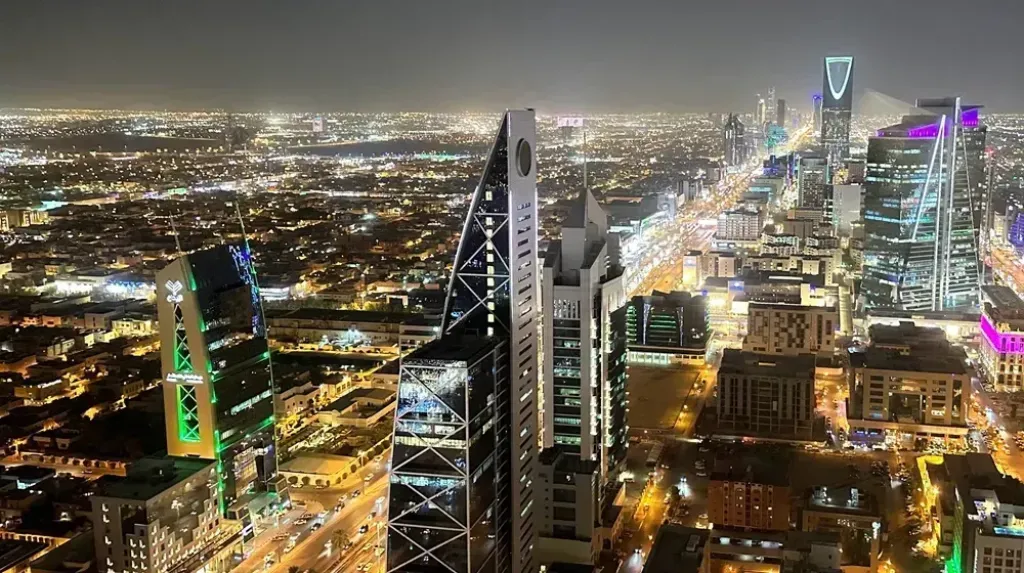
This direction comes as the Kingdom continues to implement massive investments in tourism infrastructure, expand its air connectivity network, and launch new destinations, within a strategy aimed at increasing tourism’s contribution to GDP to 10% and creating around 1.6 million jobs by the end of the decade.
From 100 Million to 150 Million Visitors
Saudi Arabia’s tourism sector has shown notable acceleration in recent years, supported by Vision 2030 and the National Tourism Strategy, with the Kingdom surpassing its target of reaching 100 million visitors seven years ahead of schedule, prompting the relevant authorities to raise the target to 150 million visitors by 2030.
The bet is not limited to increasing visitor numbers, but extends to raising tourism spending and deepening the sector’s impact on the local economy, particularly with the growing contribution of non-oil activities, which reached a historic level of 57.7% of real GDP during the current year.
144.5 Million Visitors in 2027
The budget document reveals that the Kingdom aims to attract 144.5 million visitors during 2027 alone, alongside achieving total tourism spending estimated at around SAR 358.4 billion, indicating that the sector has become one of the most important drivers of economic growth and income diversification.
This spending is expected to support thousands of small and medium-sized enterprises operating in hospitality, transport, entertainment, and tourism-related activities, in addition to attracting new investments and enhancing the sector’s contribution to the national economy.

These goals are supported by a wide-ranging investment program that has made Saudi Arabia the largest tourism market in the Middle East in terms of tourism investment size, according to the budget statement. The data indicates the presence of tourism development projects worth more than SAR 450 billion, with plans to add more than 200,000 new hotel rooms by 2030, alongside the expansion of the global hospitality base to include more than 50 international hotel brands.
The Public Investment Fund and its subsidiaries continue to develop new tourism and entertainment destinations, including the Red Sea, AMAALA, Qiddiya, and Diriyah projects, which aim to attract new segments of domestic and international tourists.
Air Connectivity at Forefront of Priorities
The Kingdom is betting on expanding its aviation network as a fundamental pillar for achieving the new targets. In 2026, new direct international air routes were launched connecting Riyadh and the Red Sea to global cities such as Tokyo, Singapore, London, and Paris, as part of a plan aimed at enhancing international connectivity and increasing the number of visitors coming to the Kingdom.
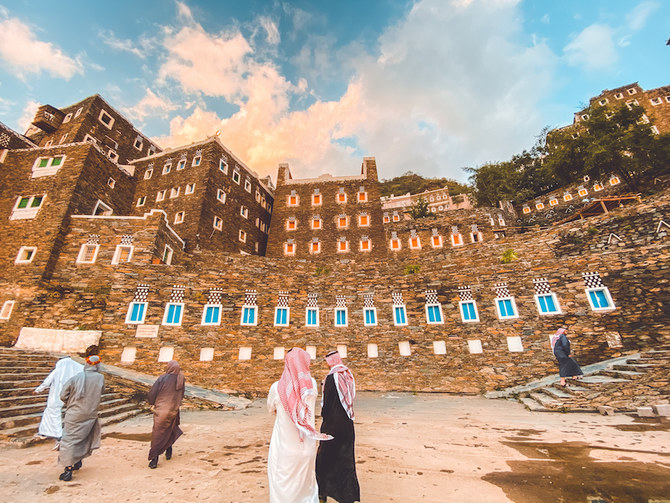
Plans to expand and develop airports in partnership with the private sector are also ongoing, including projects for Taif and Qassim airports, alongside the development of Abha International Airport, which aims to raise its capacity to 8 million passengers by 2030 and 13 million passengers by 2054.
Related Topics:
Saudi Arabia Unveils Pavilion at “World Travel Market” Exhibition in London
“Let’s Meet Car Expo” Debuts as Jeddah’s Largest Automotive Exhibition
Arduna Exhibition Launches at AlUla in February 2026
Jeddah Welcomes Arab, International Products Exhibition