
Trump Greenlights Saudi Nuclear Deal, Opens Door to Uranium Enrichment: Report
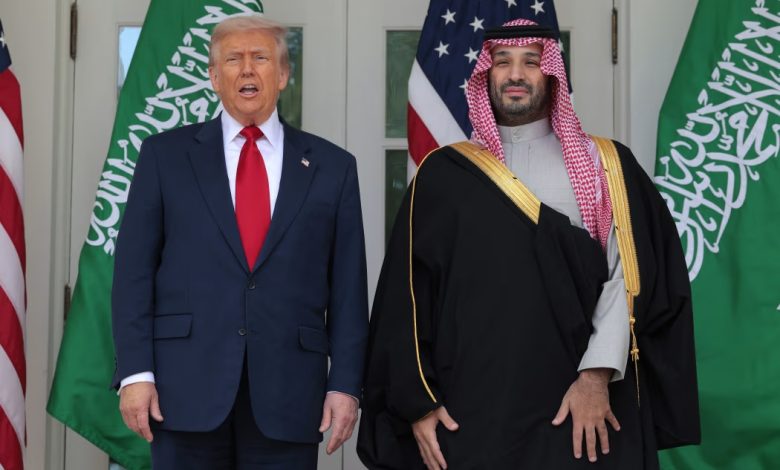
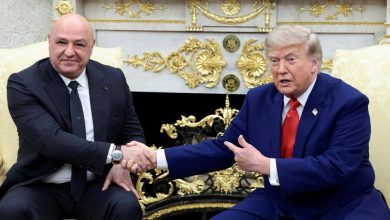
The big picture: US President Donald Trump formally approved a thirty-year civilian nuclear cooperation agreement with Saudi Arabia. This landmark deal holds a potential value of tens of billions of dollars. Furthermore, it allows American companies to build a uranium enrichment facility inside the Kingdom. The New York Times reported these details, citing two unnamed US officials. The Trump administration plans to sign and announce the agreement on Wednesday.
Why it matters: This agreement directly supports Saudi Vision 2030. The Kingdom wants to diversify its energy sector away from fossil fuels. Consequently, developing peaceful nuclear energy provides a sustainable path forward. The Wall Street Journal reported that the deal gives American companies a central role in developing Saudi Arabia’s nuclear infrastructure. Simultaneously, it excludes foreign competitors from the program. The administration stated the agreement could generate billions of dollars for the U.S. nuclear industry.
Strategic Energy Development
Under one specific provision, US companies could construct a uranium enrichment facility in Saudi Arabia. However, Washington and Riyadh must first complete a joint study. They must determine that the project warrants development. The administration will submit the agreement to Congress for review in the coming days. Interestingly, the deal does not require congressional approval to take effect.
Some Republican and Democratic lawmakers oppose a Saudi civilian nuclear program. They express concerns about potential weapons development. Conversely, Trump administration officials argue the agreement gives the US a vital monitoring role. They believe this oversight helps prevent the civilian program from supporting weapons development. Nevertheless, lawmakers who worry about expanding nuclear capabilities in the Middle East will likely fight the deal.
Regional Security Context
The thirty-year agreement ensures American companies take the leading role in building Saudi Arabia’s civilian nuclear infrastructure. Meanwhile, it prevents competing foreign firms from entering the program. The potential construction of a uranium enrichment plant depends entirely on the joint US-Saudi review findings.
This planned announcement arrives during a complex regional period. Fighting recently resumed between Saudi Arabia and Houthi rebels in Yemen. Saudi Arabia and the Houthis exchanged fire last week for the first time in years. This clash threatens a truce that largely held since 2022. Furthermore, the Houthis threatened this week to expand the conflict. They plan to blockade Saudi ports. The group largely remained outside the fighting earlier this year. However, tensions recently rose amid renewed clashes between Washington and Tehran.
What’s next: US law requires the White House to send the signed deal to Congress. However, Congress cannot block it outright, since the deal doesn’t need congressional approval. Expect pushback anyway, especially from members who want the same enrichment limits the UAE accepted. For the Gulf, the stakes are real. The outcome could bolster regional energy security, or it could add fresh tension to an already volatile Middle East, the Times and Journal both note.