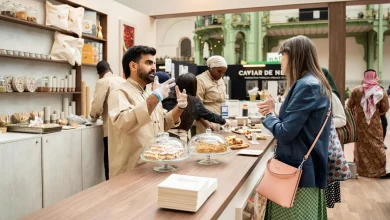
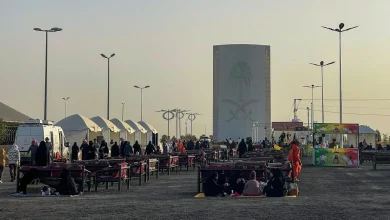
The Muslim world eagerly awaits the arrival of Ramadan, the holiest month in the Islamic calendar. It is defined by heightened devotion, marked through prayer, reflection, and the warmth of family gatherings – all centered around a table of time-honored dishes.
In Saudi Arabia, Muslims mark the holy month with a unique blend of social and cultural practices that highlight the Kingdom’s authentic heritage, showcasing each region’s unique traditions and flavors.
Ramadan: The Month of Spirituality
During Ramadan, Muslims fast from dawn until sunset, abstaining from food, drink, and other physical needs. Fasting is the fourth pillar of Islam, and obligatory for all adult Muslims in good health. The objective of fasting is not only to refrain from worldly pleasures, but also to foster empathy towards the less fortunate.
Muslims also engage in prayers, Quran reading and charity during the holy month, giving them the opportunity to experience spirituality, self-discipline and reflection.
Ramadan in Saudi Arabia is expected to start on February 18, 2026 and conclude on March 19, 2026, subject to official moon sightings.
Iftar & Suhoor
As Muslims fast from dawn to sunset, they have two main meals: Iftar and Suhoor (the pre-dawn meal). During Ramadan, tables turn into a vibrant culinary feast, featuring a diverse range of traditional dishes and signature beverages.

Despite this broad culinary diversity, some items remain a cornerstone of every Iftar and Suhoor meal throughout the holy month. These dishes are carefully chosen to provide lasting nourishment and sustain hydration throughout the long hours of the fast.
Ramadan Signatures
Dates are a permanent fixture on every Saudi table, reflecting the tradition of Prophet Mohammed (PBUH), who broke his fast with dates and water to provide instant nourishment and spiritual connection.
The Iftar meal features some common items across Saudi regions, such as soup, Samboosa (a fried or baked stuffed pastry), traditional bread and stews. Main courses also include traditional dishes, such as Jareesh, Saleeg, Kabsa, Matazeez and Marqouq.

Refreshing beverages are central to the Iftar table for a nourishing relief after a long day of fasting. They include Zamzam water, sobia, fresh juices, and Saudi coffee.
Ramadan is also known for its sweet delights, including Kunafa, Qatayef, Loqaimat and Kleija.
As the last meal before dawn, the Suhoor meal includes items that help people sustain energy levels and hydration throughout the fast, such as dates and yogurt, fava bean (Foul), cheese and labnah, and light soups.
Traditional Flavors
The Ramadan table boasts a variety of traditional dishes that highlight the culinary heritage of each Saudi region. In the Hijaz region – comprising cities like Makkah, Madinah, and Jeddah – local Arabian flavors speak to the authenticity of the western region’s cuisine.

Iftar here involves signature dishes such as Foul paired with Tamis bread, the creamy rice dish Saleeg, and Shuraik bread served with Qallaba. Manto and Yaghmush (meat dumplings) are also favorites, while the fermented barley drink Sobia remains the region’s signature Ramadan beverage.
Moving to the heart of the Kingdom, the Najd (Central Region involving Riyadh) offers a menu defined by dishes that rely heavily on Loomi (black lime) and Ghee. A centerpiece of the Najdi table is Jareesh – the national dish of Saudi Arabia – alongside the iconic Kabsa.

Moreover, the Iftar table includes nourishing stews like Matazeez and Marqouq, often followed by Hanini, a warm dessert of blended dates, brown wheat, and butter.
The culinary journey concludes in the Eastern Province (involving Al-Ahsa) and the Southern Regions (Aseer and Jazan), where the sea and the unique agricultural heritage define the taste of Ramadan.

Thareed, Hasawi Rice, and Harees are among the hallmark dishes of the Eastern Province. Meanwhile, the South is distinguished by Mughash (meat cooked in stone pots), Aseeda, and the traditional Jazan delicacies of Al-Mahshosh and Zalabiyeh.