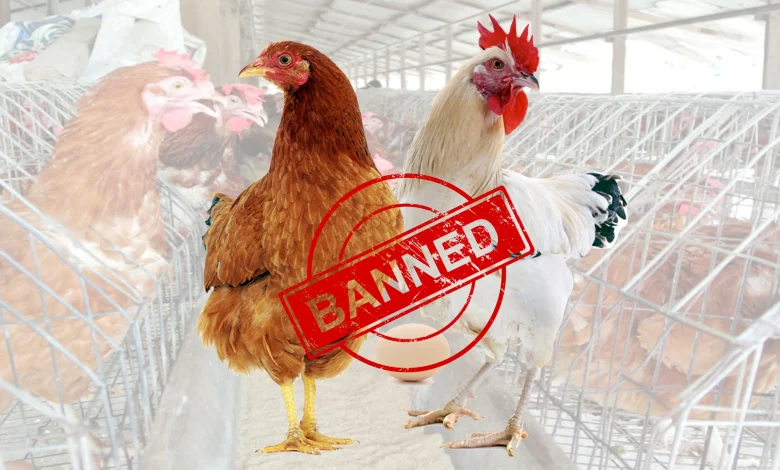
The Saudi Food and Drug Authority (SFDA) imposed a total ban on poultry and egg imports from 40 different countries. This decisive action serves as a precautionary measure to safeguard public health and strengthen food safety standards in the Kingdom. Furthermore, the authority implemented a partial ban covering specific provinces and cities within 16 other nations to mitigate risks.
The SFDA underscores that officials review the list periodically in response to the latest global health and epidemiological developments. According to a report from Okaz newspaper, some countries have remained under this strict ban since 2004 for safety reasons. The authority progressively added other nations over the years based on rigorous risk assessments and international reports regarding animal diseases. Consequently, this approach demonstrates a firm commitment to monitoring outbreaks of highly pathogenic avian influenza across the global landscape.
Nations Facing Total Restrictions
The total ban currently covers 40 countries, including Germany, China, the United Kingdom, Egypt, Japan, Indonesia, and South Africa. Additionally, the list includes nations such as Afghanistan, Azerbaijan, Brazil, and several others across Asia, Africa, and Eastern Europe. Meanwhile, the partial ban affects specific regions in major trading partners like the United States, France, Italy, and Australia.
The SFDA clarified that poultry meat and related products remain exempt if they undergo specific heat treatments to eliminate viruses. However, importers must ensure these products fully comply with approved health requirements, regulations, and all Saudi food safety standards.
Competent official authorities in the country of origin must issue a health certificate confirming the adequacy of the processing. This exemption only applies to products originating from approved facilities that meet the Kingdom’s stringent import and health criteria. Ultimately, the SFDA continues to prioritize the well-being of Saudi citizens by maintaining the highest possible food quality controls.