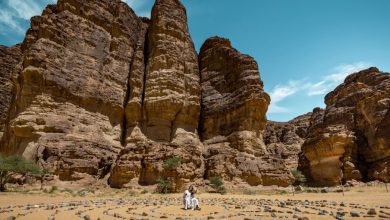
The Hima Cultural Area in Najran, a UNESCO World Heritage Site, stands as one of the largest and most remarkable open-air museums in the world. Covering an expansive 557 square kilometers, the site preserves thousands of years of human history through tens of thousands of rock carvings, including more than 550 engraved panels illustrating ancient daily life, hunting practices, and diverse plant and animal species.
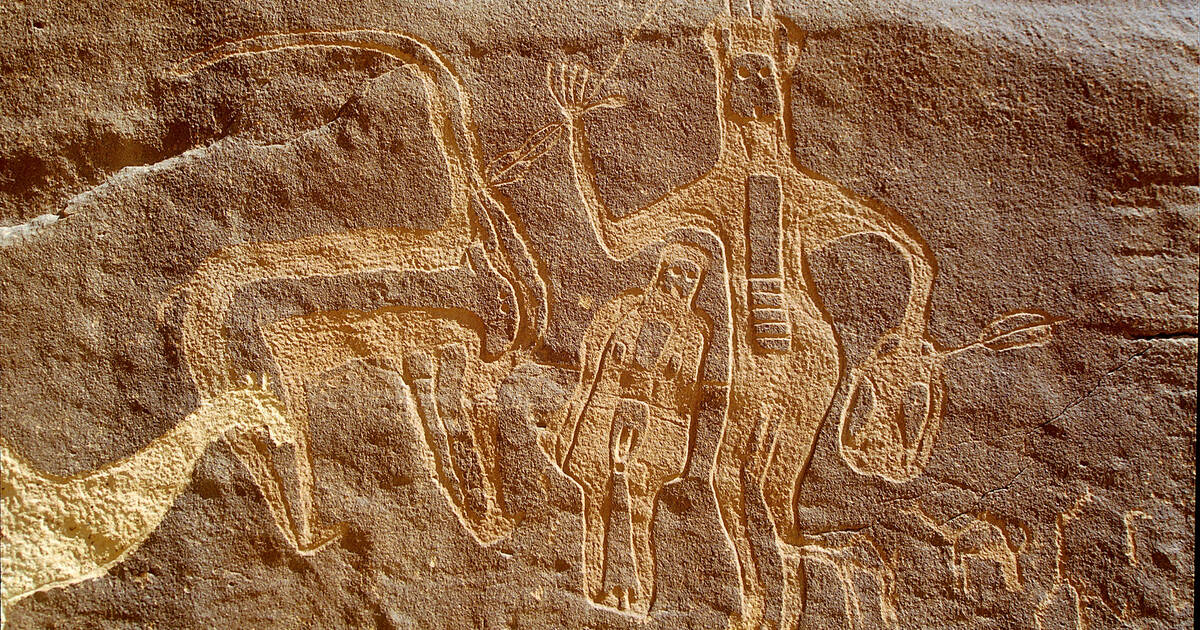
Located at a strategic crossroads of historic caravan and trade routes, Hima is believed to have functioned as a major hub for travelers moving across the Arabian Peninsula. The area is also a linguistic and cultural treasure, featuring inscriptions in numerous ancient scripts such as Thamudic, Nabataean, South Arabian, Aramaic, Syriac, and Greek. Particularly significant are the early pre-Islamic Arabic inscriptions that reveal key stages in the development of the modern Arabic script.
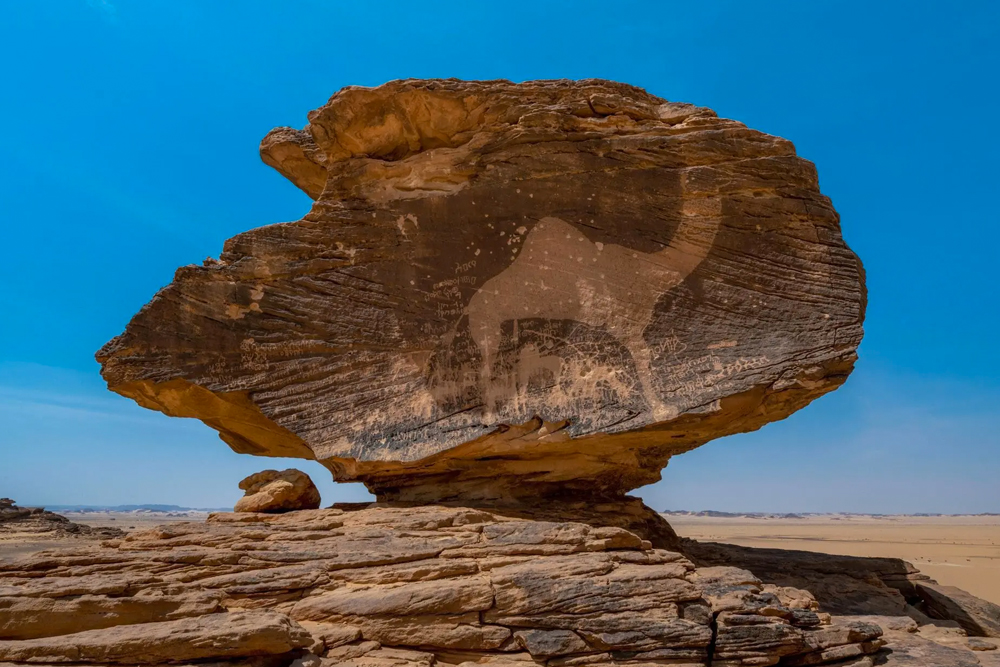
Today, the Hima Cultural Area is an essential site for archaeological and scientific research and a leading tourist destination, offering visitors a unique opportunity to experience the deep historical and cultural legacy of the Najran region.

Related Topics:
Buraidah to Take Part in UNESCO Creative Cities Network Annual Conference
National Olympiad for Scientific Creativity “Taif Creativity 2025” Launched
Saudi Arabia Showcases Digital Leadership at WSIS 2025
‘Madrasati’ Platform Wins Top Honor at WSIS Forum 2025