Egypt’s Minister of Electricity Mahmoud Esmat announced on Saturday that the Saudi-Egypt electricity interconnection project has entered its final testing stage. This strategic initiative involves close coordination with Saudi counterparts to finalize trial operations and begin grid synchronization within the coming weeks. Consequently, the project will soon establish the most significant cross-border power transmission link in the Middle East region.
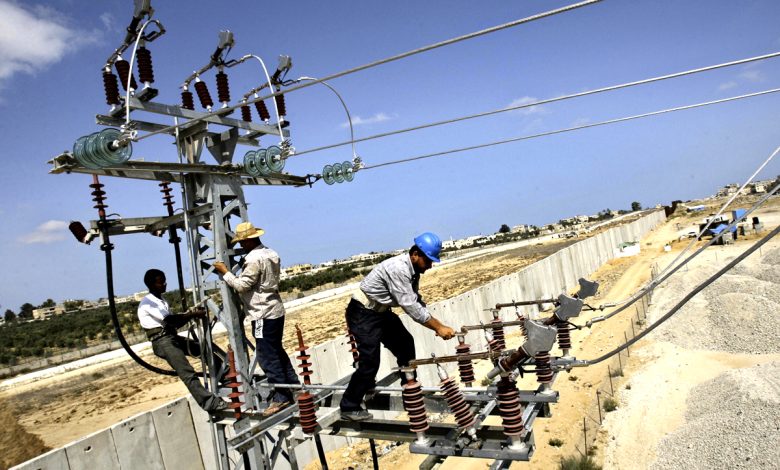
The minister recently conducted a field visit to the 500 kV high-voltage direct current (HVDC) converter station in Badr City. This facility represents a technological milestone due to its massive scale, advanced manufacturing technology, and unprecedented operational capacity for transmission. Furthermore, Esmat inspected the control centers and reviewed system readiness to ensure the successful integration of the unified national grids.
During the tour, officials assessed the operational status of the Badr and Sakakin-Taba 2 stations alongside the overhead transmission lines. These lines extend approximately 320 kilometers, connecting vital infrastructure through a sophisticated network of submarine cables and fiber optic systems. Minister Esmat described these projects as “energy bridges” that strengthen strategic cooperation and drive economic integration between the two nations.
Strengthening the Arab Power Market
The Saudi-Egypt link serves as a primary foundation for establishing a fully integrated regional electricity network and a common market, that will strengthen grid stability, improve service quality, and significantly increase the regional reliance on various renewable energy sources. Because the two countries experience peak demand at different times, the interconnection will allow for more cost-effective grid operations.
With a total exchange capacity of 3,000 megawatts, the project connects three major high-voltage converter stations via 1,350 kilometers of overhead transmission lines and submarine cables across the Red Sea. Specifically, these stations sit in eastern and north-western Saudi Arabia and Badr City to facilitate seamless power exchange across borders.
Experts view this strategic milestone as crucial towards linking the electricity networks of Africa Asia and Europe together soon. Total exchange capacity reaches three thousand megawatts ensuring robust power sharing between the Kingdom and Egypt effectively without issues. This initiative supports Vision 2030 goals by fostering regional integration and sustainable energy solutions for all partners involved locally.