Iranian security forces fired rounds of tear gas into the historic Tehran bazaar on Tuesday to disperse a growing crowd, as the crackdown follows ten days of intense demonstrations against the soaring cost of living and the collapsing national currency.
According to the Norway-based NGO Iran Human Rights (IHR), the death toll has now risen to twenty-seven protesters. This figure includes five minors under the age of eighteen who died during the state’s increasingly violent response.
Economic Turmoil Fuels Dissent
The current wave of anger began on 28 December after merchants at the economic hub closed their shops in protest. On Tuesday, the Iranian rial hit a staggering record low of 1.47 million against the US dollar on the market.
Consequently, many Iranians find themselves unable to afford basic goods as their savings vanish in this worsening financial climate. While President Masoud Pezeshkian promised monthly payments to alleviate the pain, the public remains skeptical of these modest measures.
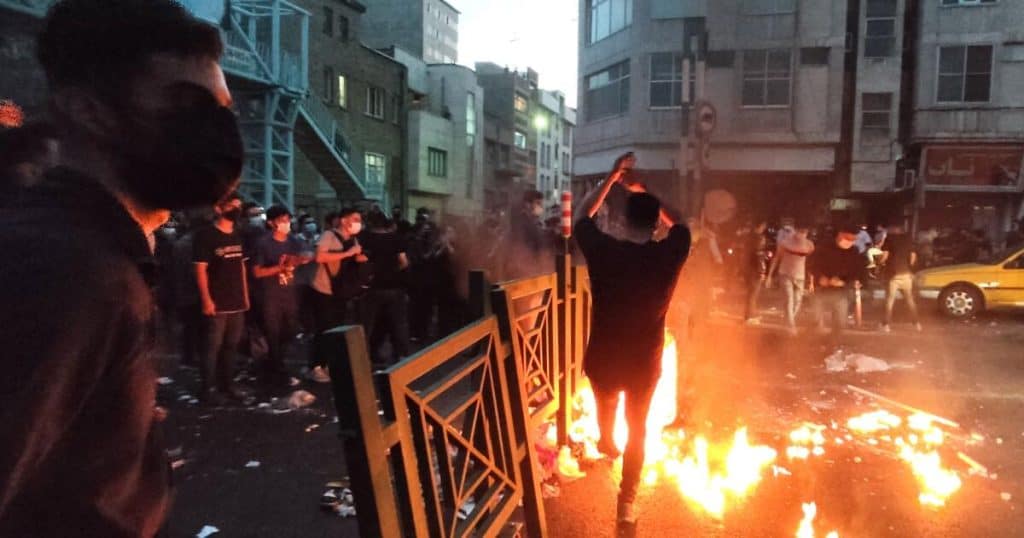
Security forces have expanded their operations far beyond the capital to reach minority regions like Ilam and the western provinces. On Saturday, agents reportedly killed six people in a single incident when they opened fire on civilians in Malekshahi.
Furthermore, Amnesty International accused authorities of raiding a hospital in Ilam to detain injured protesters who were seeking medical care. The head of the judiciary recently warned that the state will show no leniency toward those he labeled “rioters.”

Demands for Political Change
Social media footage shows protesters shouting slogans that target the very foundation of the Islamic Republic and its aging leadership. Many demonstrators explicitly called for the return of the monarchy or the removal of Supreme Leader Ayatollah Ali Khamenei.
In western Iran, families gathered outside prisons to demand the release of their children while chanting against the ruling elite. These protesters often highlight the hypocrisy of officials whose children live in luxury abroad while local youth face incarceration.
Authorities have arrested more than 1,000 people nationwide since the start of these demonstrations late last month, according to IHR. Although these rallies have not yet reached the scale of the 2022 movement, they present a major political challenge. The combination of economic despair and political frustration continues to drive citizens into the streets despite the threat of gunfire.