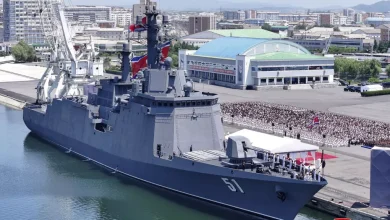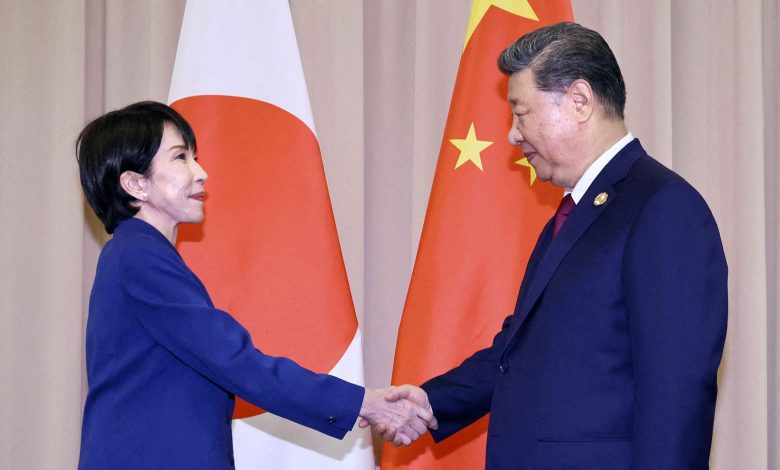
China imposed strict export restrictions on dozens of Japanese firms on Tuesday, citing their role in building Tokyo’s military, in a move that escalates a months-long dispute between Asia’s two largest economies over regional security tensions. The commerce ministry targeted 20 entities, including Mitsubishi Heavy Industries subsidiaries and Japan’s space agency, for “dual-use” item bans.
Officials also added 20 more organizations, such as automaker Subaru, to a “watch list” requiring stricter export reviews. A ministry statement declared these measures aim at curbing Japan’s “‘remilitarisation’ and nuclear ambitions” while calling them “completely legitimate.” Conversely, Deputy Chief Cabinet Secretary Kei Sato labeled Beijing’s action “absolutely intolerable and extremely regrettable.”
Market Shock and Strategic Shifts
Stock prices plummeted immediately after the announcement shook investor confidence across Tokyo’s industrial sector. Shares in Kawasaki Heavy Industries sank almost 5%, while Mitsubishi Heavy Industries shed close to 4%. These firms manufacture ships, fighter jets, and missiles, directly supporting Japan’s expanding defense capabilities.
Prime Minister Sanae Takaichi recently approved a record 9 trillion yen defense budget to counter perceived threats. She told parliament that China intensifies attempts to change the status quo “by force or coercion” in disputed waters. Takaichi argued that “strengthening our defence capabilities is essential to protect the lives and peaceful livelihoods of our citizens.”
Economic Fallout Looms
Tourism numbers have already crashed, with Chinese visitors dropping 61% in January following official travel warnings. Beijing previously suspended seafood imports and returned two giant pandas to China last month as diplomatic signals. Experts warn that new controls could disrupt supplies of critical minerals like gallium and germanium used in radar. Professor Yee Kuang Heng noted that “short-term impact may be limited with a stockpile to cushion the disruptions.” However, he cautioned that “if the controls drag on, some damage is possible” for high-tech manufacturers.
Moreover, Noriyuki Kawamura, a professor emeritus, predicted the approval process will become “even more stringent” for struggling firms. He stated clearly, “I believe this will be a huge blow to companies involved.” Tokyo promises to analyze the impact before taking “appropriate measures” against these unprecedented trade barriers.